


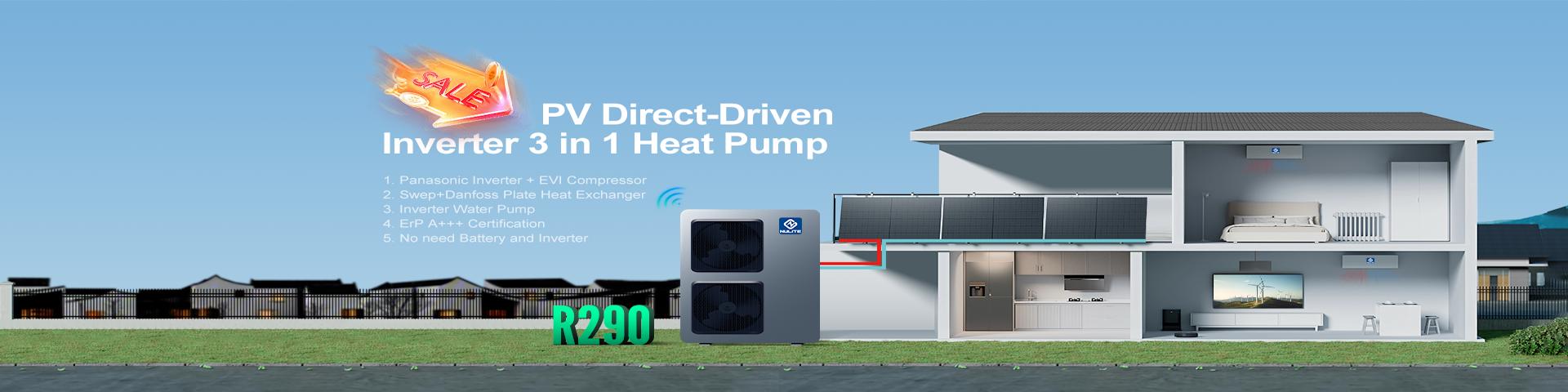
В современном мире, где вопросы энергоэффективности и экологии выходят на первый план, теплонасосные контроллеры становятся ключевым элементом в системах отопления и охлаждения. Эти устройства не только позволяют значительно сократить потребление энергии, но и открывают путь к более умному и устойчивому будущему. В этой статье мы подробно рассмотрим, почему теплонасосные контроллеры уже сегодня являются неотъемлемой частью энергосберегающих технологий, их преимущества, принципы работы, и как они интегрируются в современные умные дома и промышленные системы.
Введение в тему
Энергосбережение — это не просто модный тренд, а необходимость, продиктованная глобальными вызовами, такими как изменение климата, рост цен на энергоносители и ограниченность ресурсов. Теплонасосы, как устройства, использующие возобновляемую энергию из окружающей среды (воздуха, воды или земли), уже доказали свою эффективность. Однако их потенциал полностью раскрывается только при использовании advanced контроллеров, которые управляют работой насосов с высокой точностью. Теплонасосные контроллеры — это мозг системы, обеспечивающий оптимизацию процессов, снижение энергопотребления и повышение комфорта.
Согласно исследованиям, внедрение интеллектуальных контроллеров в теплонасосные системы может снизить энергозатраты на 20-30%, что делает их незаменимыми для частных домов, коммерческих зданий и промышленных объектов. В этой статье мы углубимся в детали, объясняя, как эти устройства работают, какие технологии behind them, и как они способствуют sustainable development.
Что такое теплонасосные контроллеры и как они работают?
Теплонасосный контроллер — это электронное устройство, предназначенное для управления работой теплового насоса. Он monitors параметры системы, такие как температура, давление, и flow rate, и на основе algorithms adjusts operation to maximize efficiency. Основные функции включают:
- Регулирование температуры в помещении в соответствии с заданными настройками.
- Оптимизация циклов работы насоса для минимизации энергопотребления.
- Интеграция с другими системами умного дома, например, через Wi-Fi или Zigbee.
- Предоставление данных о энергопотреблении и diagnostics для своевременного обслуживания.
Принцип работы основан на feedback loops: контроллер continuously измеряет текущие условия и compares them with desired setpoints. Если температура отклоняется, он активирует или деактивирует компрессор, вентиляторы, или другие components to maintain stability. Modern контроллеры используют machine learning algorithms to predict patterns, such as daily usage, and adjust proactively. For example, они могут learn that residents are away during work hours and reduce heating automatically, saving energy without sacrificing comfort.
Ключевые components контроллера включают микропроцессор, датчики температуры и давления, interfaces for user input, и communication modules. Они often support protocols like Modbus или LonWorks for industrial applications, making them versatile.
Преимущества теплонасосных контроллеров для энергосбережения
Использование теплонасосных контроллеров brings numerous benefits, directly contributing to energy savings and environmental protection. Here are some of the key advantages:
- Повышенная энергоэффективность: By optimizing operation, контроллеры reduce unnecessary energy consumption. Studies show that smart control can improve COP (Coefficient of Performance) of heat pumps by up to 15%, meaning more heat output for less electricity input.
- Снижение затрат на энергию: With lower energy use, utility bills decrease significantly. For a typical household, this can mean savings of hundreds of euros per year, depending on climate and usage patterns.
- Экологичность: Heat pumps themselves are greener than fossil fuel systems, but controllers enhance this by minimizing carbon footprint through efficient operation. This aligns with global goals like the Paris Agreement.
- Удобство и автоматизация: Users can set schedules, monitor systems remotely via apps, and receive alerts for maintenance, ensuring hassle-free operation.
- Долговечность оборудования: By preventing overcranking and other stresses, controllers extend the lifespan of heat pumps, reducing waste and replacement costs.
For instance, in a case study from Germany, a residential building equipped with advanced controllers saw a 25% reduction in heating costs compared to traditional systems. This is not just theoretical; real-world applications prove the value.
Технологические инновации в теплонасосных контроллерах
The field of heat pump controllers is rapidly evolving, driven by advancements in IoT, AI, and materials science. Some cutting-edge innovations include:
- ИИ и машинное обучение: Controllers now use AI to analyze historical data and predict optimal settings. For example, они can anticipate weather changes and adjust operation preemptively.
- Интеграция с умным домом: Through platforms like Apple HomeKit or Google Assistant, users can voice-control their systems, creating a seamless smart home experience.
- Беспроводные технологии: Wireless sensors and communication reduce installation costs and increase flexibility.
- Энергонезависимость: Some controllers incorporate battery backups or solar power integration for resilience during outages.
- Улучшенные пользовательские интерфейсы: Touchscreens and mobile apps make it easy for non-experts to manage complex systems.
These innovations are making controllers more accessible and effective. For example, a recent product from a leading manufacturer uses neural networks to self-calibrate, reducing the need for manual tuning.
Практические аспекты внедрения и использования
To fully leverage heat pump controllers, proper implementation is crucial. Here are some practical considerations:
- Выбор контроллера: Factors to consider include compatibility with existing heat pumps, features like zoning control, and budget. It's advisable to consult with professionals.
- Установка: While some controllers are DIY-friendly, complex systems may require expert installation to ensure safety and efficiency.
- Настройка и калибровка: Initial setup involves programming schedules and thresholds. Many modern controllers offer wizard-based setup for ease.
- Обслуживание: Regular updates and sensor checks are needed to maintain performance. Most controllers alert users to issues.
- Стоимость и окупаемость: Although upfront costs can be higher, the energy savings typically pay back the investment within 2-5 years.
A table below summarizes key aspects for different user types:
| Тип пользователя | Рекомендуемые функции | Примерная экономия |
|---|---|---|
| Частные дома | Удаленное управление, scheduling | 20-30% на отоплении |
| Коммерческие здания | Масштабируемость, интеграция с BMS | 15-25% на энергии |
| Промышленность | Высокая надежность, протоколы связи | 10-20% на operational costs |
For best results, users should start with a energy audit to identify specific needs.
Роль в устойчивом развитии и будущие тенденции
Heat pump controllers are pivotal in the transition to sustainable energy systems. They enable greater adoption of renewables by making heat pumps more efficient and user-friendly. Looking ahead, trends include:
- Увеличение adoption: As energy prices rise and awareness grows, more households and businesses will invest in these technologies.
- Стандартизация: Efforts are underway to create universal standards for interoperability, similar to how USB revolutionized electronics.
- Интеграция с сетью: Future controllers may participate in smart grids, allowing demand response programs where systems adjust based on grid conditions.
- Развитие AI: Predictive maintenance and fully autonomous operation will become norms, further reducing human intervention.
- Экологичные материалы: Manufacturers are focusing on reducing e-waste by using recyclable components.
By 2030, it's estimated that over 50% of new buildings in Europe will incorporate smart heat pump controls, driven by regulations like the EU's Energy Efficiency Directive.
Заключение
Теплонасосные контроллеры — это не просто gadget, а transformative technology that brings the future of energy saving into the present. Они offer tangible benefits in efficiency, cost savings, and environmental impact. By embracing these devices, we can move towards a more sustainable world while enjoying enhanced comfort and control. Whether for home or industry, now is the time to invest in heat pump controllers and reap the rewards.
In summary, the integration of intelligent controllers with heat pumps is a win-win scenario: it saves money, conserves resources, and supports global sustainability goals. As technology continues to advance, we can expect even greater innovations that will make energy efficiency effortless and ubiquitous.
Эта статья предоставляет обзор текущего состояния и перспектив теплонасосных контроллеров. Для более detailed information, consult manufacturer specifications or energy experts.
