


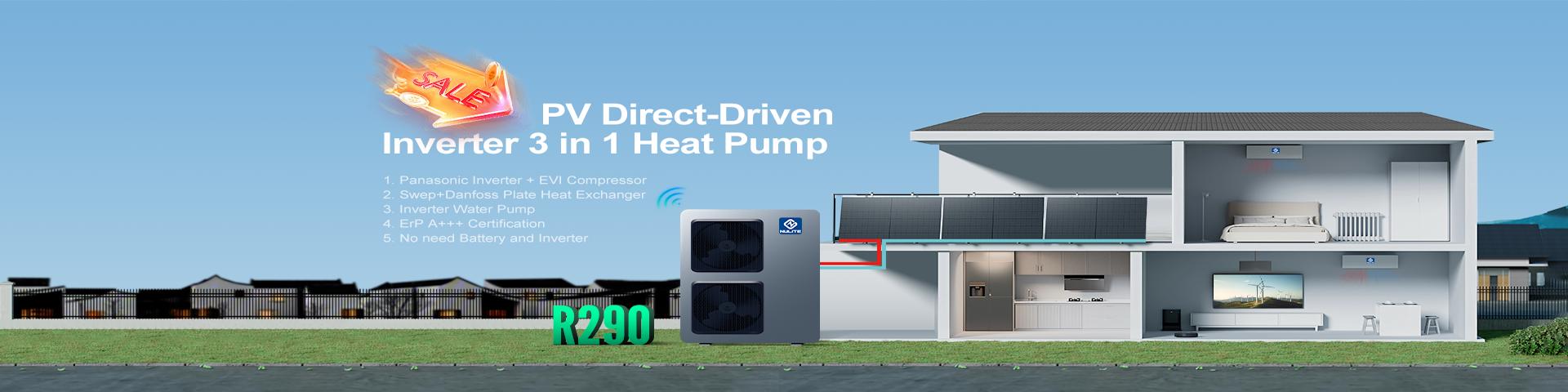
В современном мире, где энергоэффективность и экологичность становятся ключевыми приоритетами, тепловые насосы emerge как революционное решение для отопления, охлаждения и горячего водоснабжения. Эта технология, основанная на принципах термодинамики, не только обеспечивает значительную экономию энергии, но и предлагает unparalleled комфорт и надежность. В этой статье мы deep dive into мир тепловых насосов, focusing на конденсаторных системах, их преимуществах, и почему они являются идеальным выбором для вашего дома или бизнеса. Prepare to be amazed – это не просто статья, это explosion знаний, который изменит ваше perception об энергопотреблении!
Что такое тепловой насос и как он работает?
Тепловой насос – это устройство, которое transfer тепло из одного места в другое, используя небольшое количество энергии. В отличие от traditional систем отопления, которые generate тепло путем сжигания топлива, тепловые насосы move существующее тепло из окружающей среды (воздуха, земли или воды) внутрь помещения зимой и наружу летой. Это делает их incredibly энергоэффективными.
Основные компоненты теплового насоса включают:
- Испаритель: Поглощает тепло из внешнего источника.
- Компрессор: Сжимает хладагент, повышая его температуру.
- Конденсатор: Передает тепло в систему отопления или горячего водоснабжения.
- Расширительный клапан: Снижает давление хладагента, позволяя ему остыть и cycle повторно.
Конденсатор играет crucial role в этом процессе. Он acts как heat exchanger, где горячий compressed хладагент condenses, releasing тепло в воду или air, который затем распределяется по дому. This is where the magic happens – конденсатор ensures максимальная эффективность передачи тепла.

Рисунок 1: Схема работы теплового насоса с акцентом на конденсатор.
Типы тепловых насосов: Воздушные, Геотермальные и Водяные
Тепловые насосы классифицируются based на источнике тепла. Каждый тип имеет свои преимущества и applications.
| Тип | Источник тепла | Преимущества | Недостатки |
|---|---|---|---|
| Воздушный тепловой насос | Воздух | Низкая стоимость установки, простота монтажа | Эффективность снижается при очень низких температурах |
| Геотермальный тепловой насос | Земля | Высокая эффективность круглый год, долговечность | Высокая начальная стоимость, requires бурение |
| Водяной тепловой насос | Вода (озера, реки) | Очень высокая эффективность | Ограниченная доступность water sources |
Конденсаторные технологии в этих системах optimized для maximize теплопередачу. Например, в воздушных насосах, конденсаторы designed to work efficiently even in varying air temperatures, while in geothermal systems, they handle consistent ground heat.
Экономия энергии: Почему тепловые насосы – это game-changer?
Одним из самых compelling преимуществ тепловых насосов является их ability to save energy. По сравнению с electric heaters или gas boilers, тепловые насосы can achieve коэффициенты эффективности (COP) of 3-4, meaning они produce 3-4 units тепла на 1 unit consumed электроэнергии. Это translates to savings up to 50-70% на energy bills!
Key Fact: Замена traditional системы отопления на тепловой насос can reduce your carbon footprint by up to 50%, contributing to a greener planet.
Let's break it down with numbers. Предположим, ваш дом consumes 10,000 kWh тепловой энергии в год. С electric heater (COP=1), вы потратите 10,000 kWh electricity. С тепловым насосом (COP=3.5), вы потратите only 2,857 kWh electricity – saving 7,143 kWh annually! При средней стоимости electricity 5 руб./kWh, это экономия 35,715 руб. в год. Over 10 years, that's over 350,000 руб.!
Конденсатор plays a vital role here. Эффективный конденсатор ensures minimal heat loss during transfer, maximizing the COP. Modern condensers with advanced materials like copper or aluminum with fins increase surface area for better heat exchange.
Комфорт: Непревзойденный уют в вашем доме
Тепловые насосы provide exceptional comfort благодаря их ability to maintain consistent temperatures. Unlike systems that cycle on and off, causing temperature fluctuations, тепловые насосы operate smoothly, delivering even heat distribution. Additionally, они offer both heating and cooling from one unit, eliminating the need for separate systems.
Конденсатор contributes to comfort by ensuring efficient heat delivery. In heating mode, it warms water or air steadily, while in cooling mode, it helps reject heat outdoors quietly. Many models include features like variable speed compressors and smart thermostats for precise control, enhancing comfort further.
- Равномерное отопление: No cold spots – heat is distributed evenly through radiators, underfloor heating, or air systems.
- Тихая работа: Modern condensers are designed for low noise levels, often below 50 dB.
- Влажность control: In cooling mode, they dehumidify air, improving indoor air quality.
Imagine coming home to a perfectly tempered environment year-round – that's the comfort a heat pump delivers!
Надежность: Долговечность и минимальное обслуживание
Тепловые насосы известны своей надежностью. С proper installation и regular maintenance, они can last 15-20 years or more. Конденсатор, being a key component, is built to withstand years of operation. Made from corrosion-resistant materials, it requires little upkeep.
Common maintenance tasks include:
- Cleaning the condenser coils annually to prevent dust buildup.
- Checking refrigerant levels every few years.
- Inspecting electrical connections.
Compared to boilers that may need frequent repairs, heat pumps have fewer moving parts, reducing the risk of breakdowns. Warranties often cover 5-10 years, giving peace of mind.
Pro Tip: Choose a heat pump with a high-quality condenser from reputable brands like Daikin, Mitsubishi, or Bosch for enhanced reliability.
Экологические преимущества: Вклад в устойчивое будущее
Используя renewable heat from the environment, тепловые насосы significantly reduce greenhouse gas emissions. By minimizing reliance on fossil fuels, они help combat climate change. In fact, if all homes switched to heat pumps, global carbon emissions could drop substantially.
Конденсатор technologies are evolving to use eco-friendly refrigerants with low global warming potential (GWP), such as R32 or R290, making systems even greener.
Стоимость и окупаемость: Инвестиция, которая окупается
Initial cost of a heat pump varies by type and size. Воздушные насосы cost between 200,000-500,000 руб., while геотермальные can be 500,000-1,000,000 руб. или more. However, government incentives and savings on energy bills make the payback period attractive – typically 5-10 years.
Consider the long-term benefits: lower operating costs, increased property value, and energy independence. It's an investment that pays for itself and then some.
Установка и выбор подходящей системы
Professional installation is crucial for optimal performance. factors to consider include:
- Climate: Air source pumps work well in mild climates; geothermal is better for extreme cold.
- Home size: Size the system correctly to avoid inefficiency.
- Insulation: Ensure your home is well-insulated to maximize savings.
Consult with certified installers to assess your needs and recommend the best system with a reliable condenser.
Реальные примеры и отзывы пользователей
Many homeowners report dramatic savings and improved comfort. For instance, a family in Moscow installed an air-source heat pump and cut their heating bill by 60% while enjoying consistent warmth. Businesses use them for large buildings, achieving similar results.
Будущее тепловых насосов: Инновации и тренды
The future holds exciting advancements, such as AI-integrated systems for smarter energy management, improved condenser designs for higher efficiency, and integration with solar power for zero-energy homes.
Заключение: Преобразуйте свой дом с тепловым насосом
Тепловой насос – это не просто appliance; это gateway к energy savings, comfort, и reliability. С advanced конденсатор technologies, они offer unparalleled performance. Whether you're looking to reduce bills, enhance comfort, or go green, a heat pump is the ultimate solution. Take the leap today – your wallet and the planet will thank you!
For more information, contact local experts or visit reputable websites. Embrace the future of heating and cooling with confidence!
