


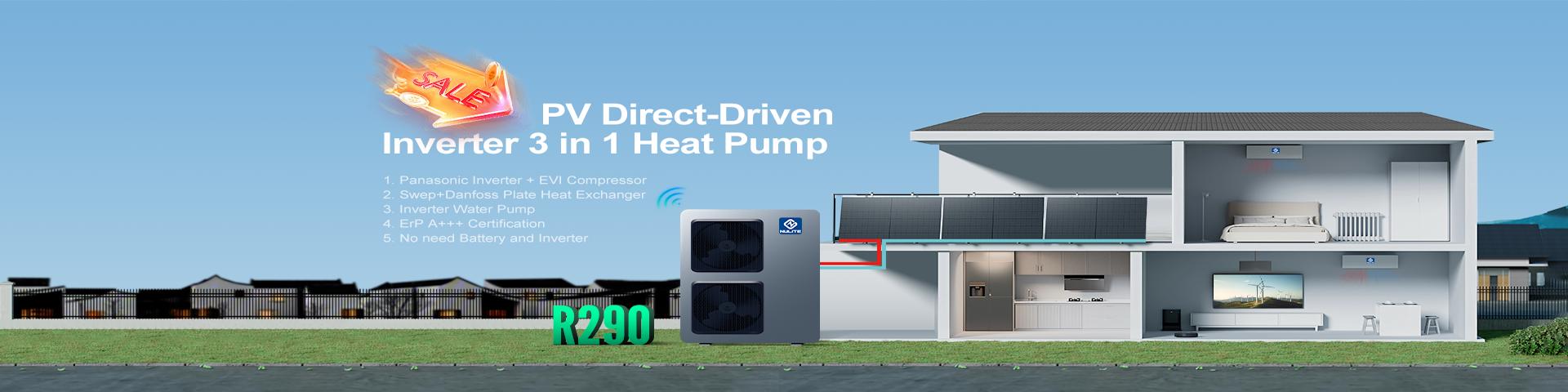
Воздушный тепловой насос — это инновационная система отопления и охлаждения, которая использует энергию окружающего воздуха для передачи тепла в помещение или из него. В отличие от традиционных систем, таких как газовые котлы или электрические обогреватели, тепловые насосы работают на принципе термодинамики, что делает их более энергоэффективными и экологичными. В этой статье мы подробно рассмотрим, как устроен воздушный тепловой насос, его преимущества, недостатки, типы, применение, а также дадим практические советы по выбору и эксплуатации. Эта технология набирает популярность во всем мире благодаря своей способности снижать затраты на энергию и уменьшать углеродный след, что особенно актуально в условиях растущих цен на энергоносители и глобального изменения климата.
Принцип работы воздушного теплового насоса
Воздушный тепловой насос функционирует на основе цикла сжатия и расширения хладагента, аналогичного тому, что используется в холодильниках или кондиционерах. Основные компоненты системы включают компрессор, конденсатор, расширительный клапан и испаритель. Процесс начинается с того, что наружный воздух, даже при низких температурах, содержит некоторое количество тепловой энергии. Испаритель, расположенный снаружи здания, поглощает это тепло из воздуха и передает его хладагенту, который циркулирует в системе. Хладагент, будучи низкокипящей жидкостью, легко испаряется при низких температурах, поглощая при этом тепло.
Затем парообразный хладагент сжимается компрессором, что значительно повышает его температуру и давление. Горячий газ поступает в конденсатор, где он отдает свое тепло внутреннему воздуху или водяной системе отопления через теплообменник. В процессе конденсации хладагент снова превращается в жидкость. После этого жидкость проходит через расширительный клапан, где ее давление и температура резко снижаются, и цикл повторяется. Этот процесс позволяет извлекать тепло даже из холодного воздуха, хотя эффективность снижается при очень низких температурах (обычно ниже -15°C). Для компенсации этого недостатка многие современные модели оснащены дополнительными электрическими нагревателями или используют инверторные технологии для поддержания производительности в широком диапазоне температур.
Преимущества воздушных тепловых насосов
Одним из ключевых преимуществ воздушных тепловых насосов является их высокая энергоэффективность. Коэффициент эффективности (COP) таких систем часто превышает 3, что означает, что на каждую единицу потребленной электроэнергии они производят три или более единиц тепла. Это значительно лучше, чем у традиционных электрических обогревателей, которые имеют COP около 1. В результате пользователи могут существенно экономить на счетах за отопление, особенно в регионах с умеренным климатом. Кроме того, тепловые насосы могут работать в реверсивном режиме, обеспечивая не только отопление зимой, но и охлаждение летом, заменяя тем самым необходимость в separate системах кондиционирования.
Экологический аспект также играет важную роль. Поскольку тепловые насосы используют возобновляемую энергию воздуха, они производят меньше выбросов CO2 по сравнению с системами на ископаемом топливе. Это делает их идеальным выбором для тех, кто стремится сократить свой углеродный след и внести вклад в борьбу с изменением климата. Кроме того, они не требуют сжигания топлива, что eliminates risks, связанные с утечками газа или выбросами вредных веществ. Установка воздушных тепловых насосов часто поддерживается государственными программами субсидий и льгот, что further снижает initial costs для потребителей.
Недостатки и ограничения
Несмотря на многочисленные преимущества, воздушные тепловые насосы имеют и некоторые недостатки. Основным ограничением является их reduced эффективность в extremely cold climates. При температурах ниже -15°C to -20°C, количество тепла в воздухе significantly уменьшается, и система may struggle to provide sufficient heating, требуя backup источников, such as electric heaters. Это может increase energy consumption и costs в зимний период. Кроме того, initial investment в тепловой насос обычно higher, чем в традиционные системы отопления, хотя долгосрочная экономия often компенсирует эти затраты.
Шум during operation — another фактор, который может быть problematic, especially для наружных units. Modern модели designed to be quieter, но все равно may produce noise уровнем 50-60 decibels, что comparable с обычным кондиционером. Proper установка и размещение away from жилых зон can mitigate этот issue. Также, тепловые насосы require regular maintenance, such as cleaning filters и checking refrigerant levels, to ensure optimal performance. В регионах с frequent power outages, зависимость от electricity может быть drawback, хотя это common для многих современных систем.
Типы воздушных тепловых насосов
Воздушные тепловые насосы делятся на несколько типов в зависимости от их конструкции и применения. Наиболее common являются split-системы, которые consist из наружного и внутреннего blocks, connected refrigerant lines. Они popular для residential use due to их flexibility и относительно easy установке. Multi-split системы allow подключение multiple внутренних units к одному наружному, making их suitable для larger homes или commercial buildings.
Другой тип — monoblock системы, где все components integrated в single unit, обычно installed outside. Они simpler в монтаже, но may require ductwork для распределения воздуха inside. Также существуют воздушно-водяные тепловые насосы, которые transfer heat to a water-based system, such as underfloor heating или radiators, offering compatibility with existing гидравлические системы. Для colder climates, available модели с enhanced performance, such as those with scroll compressors или low-temperature хладагенты, которые maintain efficiency down to -25°C or lower.
Применение и примеры использования
Воздушные тепловые насосы широко применяются в различных секторах. В residential settings, они ideal для отопления и охлаждения individual homes, apartments, и villas. Их ability to provide both heating and cooling makes them a versatile solution for year-round comfort. In commercial buildings, such as offices, schools, и hospitals, они used to reduce operational costs и improve sustainability. Например, в Scandinavia, где climate can be harsh, air source heat pumps are commonly used in combination with district heating или solar panels to achieve net-zero energy buildings.
Industrial applications include process heating и cooling in factories, где precise temperature control is critical. Agriculture sector также benefits, using heat pumps for greenhouse heating или livestock barns. Real-world пример: в Germany, many households have installed air-to-air heat pumps, reducing their reliance on natural gas и saving up to 40% on energy bills. Government incentives, such as tax credits grants, further drive adoption, making this technology accessible to a broader audience.
Как выбрать подходящий воздушный тепловой насос
Выбор правильного воздушного теплового насоса зависит от нескольких factors, включая climate, размер помещения, бюджет, и energy needs. First, assess the heating and cooling requirements based on the local weather conditions. In colder regions, opt for models with high COP at low temperatures and consider backup heating options. Calculate the required capacity in kW, which should match the heat loss of the building; professional energy audit can help with this.
Next, consider the type of system: split systems are cost-effective for most homes, while monoblock or air-to-water systems may be better for integration with existing setups. Look for energy efficiency ratings, such as SEER (Seasonal Energy Efficiency Ratio) for cooling and HSPF (Heating Seasonal Performance Factor) for heating; higher values indicate better performance. Brands like Daikin, Mitsubishi Electric, and LG offer reliable options with warranties and support. Additionally, check for noise levels, especially if the unit will be installed near bedrooms or living areas. Finally, factor in installation costs and available incentives; in many countries, governments provide subsidies for energy-efficient upgrades, which can offset the initial investment.
Установка и обслуживание
Proper установка crucial для эффективной работы воздушного теплового насоса. It should be performed by certified professionals to ensure safety and compliance with local regulations. The outdoor unit needs to be placed in a well-ventilated area, free from obstructions, to allow optimal air flow. Indoor units should be positioned for even distribution of heated or cooled air. During installation, it's important to insulate refrigerant lines and ensure that the system is charged with the correct amount of refrigerant.
Regular maintenance is essential to prolong the lifespan and maintain efficiency. This includes cleaning or replacing air filters every few months, checking for leaks in the refrigerant system, and inspecting electrical components. Annual professional servicing is recommended to perform more thorough checks, such as calibrating thermostats and testing compressor performance. In winter, ensure that the outdoor unit is free from snow and ice buildup, which can impede operation. By following these steps, users can enjoy reliable performance and avoid costly repairs.
Экономические и экологические аспекты
С экономической точки зрения, воздушные тепловые насосы offer significant long-term savings. Although the upfront cost can range from $3,000 to $10,000 or more depending on the system size and features, the reduction in energy bills typically results in a payback period of 5-10 years. In regions with high electricity costs or abundant renewable energy, the savings are even greater. Moreover, as technology advances, costs are decreasing, making heat pumps more affordable.
Environmentally, air source heat pumps contribute to reducing greenhouse gas emissions by utilizing renewable energy from the air. Compared to fossil fuel systems, they can cut CO2 emissions by up to 50% or more, depending on the energy mix of the grid. Lifecycle assessments show that over their operational life, heat pumps have a lower environmental impact than conventional heaters. Additionally, they support the transition to a sustainable energy future by integrating with smart grids and renewable sources like solar power, enabling homes to become energy-independent.
Будущее воздушных тепловых насосов
Будущее воздушных тепловых насосов looks promising with ongoing innovations. Advances in compressor technology, such as inverter-driven compressors, allow for variable speed operation, improving efficiency and comfort. New refrigerants with lower global warming potential (GWP) are being developed to replace older ones like R410A, reducing environmental impact. Integration with Internet of Things (IoT) enables smart control via smartphones, allowing users to optimize energy use based on real-time data and weather forecasts.
In the coming years, we can expect heat pumps to become even more efficient and affordable, with capabilities to operate efficiently in extreme climates. Government policies worldwide are promoting their adoption through regulations and incentives, as part of efforts to achieve carbon neutrality. For instance, the European Union's Green Deal aims to increase the share of renewable heating systems, with heat pumps playing a central role. As awareness grows and technology evolves, air source heat pumps will likely become a standard feature in new constructions and retrofits, driving the global shift towards sustainable living.
Заключение
В заключение, воздушный тепловой насос представляет собой эффективное и экологичное решение для отопления и охлаждения. Его принцип работы, основанный на использовании энергии воздуха, offers numerous benefits, including energy savings, reduced emissions, and versatility. While there are challenges such as performance in cold weather and initial costs, these are often outweighed by the long-term advantages. With proper selection, installation, and maintenance, air source heat pumps can provide reliable comfort for years to come. As the world moves towards greener energy sources, this technology is set to play a pivotal role in creating sustainable homes and communities. We encourage readers to explore options and consult professionals to determine if an air source heat pump is right for their needs.
