


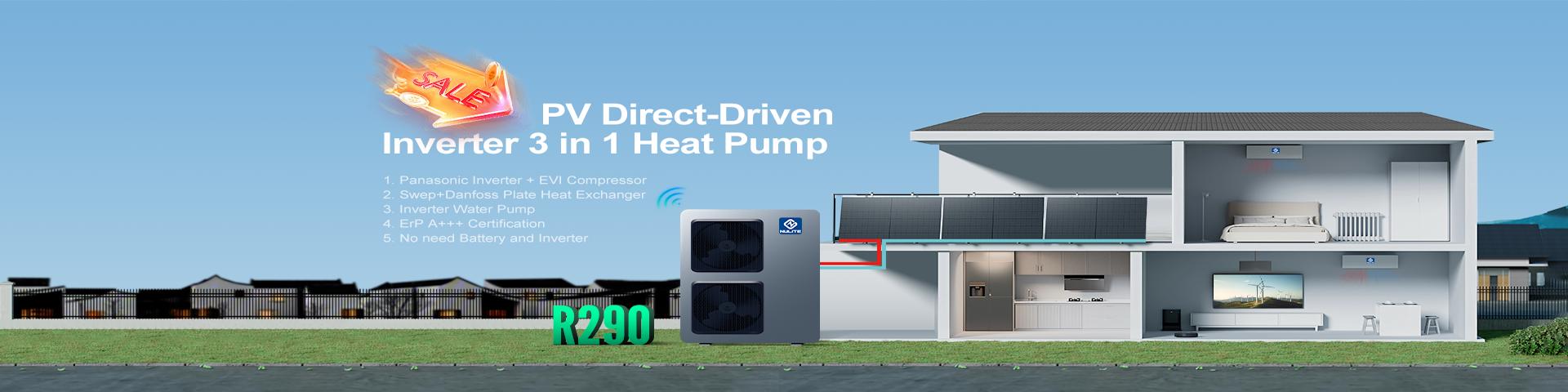
В современном мире, где вопросы энергосбережения, экологии и комфорта становятся все более актуальными, тепловые насосы emerge как одна из самых перспективных технологий для отопления и охлаждения жилых помещений. Особенно выделяются бесшумные модели, которые не только эффективно управляют температурой, но и делают это практически беззвучно, создавая идеальную атмосферу для дома будущего. В этой статье мы подробно рассмотрим, почему эти устройства уже сегодня трансформируют наши жилые пространства, охватывая их преимущества, принципы работы, экологические аспекты, экономическую выгоду и будущие тенденции.
Введение в тепловые насосы и их эволюцию
Тепловые насосы — это устройства, которые используют природные источники тепла, такие как воздух, земля или вода, для передачи энергии в помещение. Их история насчитывает десятилетия, начиная с первых экспериментов в XIX веке, но настоящий прорыв произошел в последние годы благодаря advancements в технологиях компрессоров, теплообменников и систем управления. Ранние модели были шумными и менее эффективными, но современные бесшумные тепловые насосы represent квинтэссенцию инноваций, сочетая высокую производительность с минимальным acoustic impact.
Эволюция тепловых насосов closely связана с global trends в энергетике. С ростом осознания climate change, governments и consumers ищут sustainable alternatives традиционным системам отопления, таким как газовые или electric heaters. Тепловые насосы, особенно бесшумные версии, предлагают solution, которое not only reduces carbon footprint но и enhances quality of life. Например, в странах like Германия и Швеция, adoption тепловых насосов has skyrocketed, с долей рынка, превышающей 30% в новых buildings. Это демонстрирует, как technology быстро integrated into mainstream.
Бесшумность стала ключевым фактором в этой эволюции. Ранние насосы often производили шум levels до 60 decibels, что comparable с громким разговором, вызывая discomfort в жилых areas. Современные модели, благодаря innovations в sound damping materials, improved fan designs и variable speed compressors, reduced шум до 25-40 decibels — уровня, barely audible в тихой комнате. Это makes их ideal для спален, гостиных и других sensitive spaces, где тишина ценится highly.
Принципы работы бесшумных тепловых насосов
Чтобы понять, почему бесшумные тепловые насосы so effective, важно разобраться в их basic operation. Они работают на principle теплообмена, используя refrigerant cycle для transfer тепла из external source (e.g., outdoor air) в internal space. Процесс involves четыре основных stages: evaporation, compression, condensation и expansion. В бесшумных моделях, innovations сосредоточены на stages compression и fan operation, которые являются primary sources шума.
Compression stage typically involves compressor, который can быть scroll, rotary или inverter type. Inverter compressors, в частности, allow variable speed operation, reducing sudden starts и stops that generate noise. Additionally, sound insulation materials, такие как foam и rubber mounts, absorb vibrations. For example, компании like Daikin и Mitsubishi Electric developed compressors с noise levels as low as 19 decibels outdoors, что barely perceptible.
Fan design также crucial. Traditional fans create turbulence и noise, но modern aerofoil blades и optimized motor placements minimize acoustic emissions. Некоторые модели используют ECM (electronically commutated motors), которые более efficient и quieter. В combination с smart controls, насосы can adjust speed based на demand, further reducing noise когда full power not needed. Это not only enhances comfort но и extends equipment lifespan.
Эффективность measured коэффициентом performance (COP), который indicates how much heat transferred per unit electricity consumed. Бесшумные насосы often achieve COP от 3 до 5, meaning они produce 3-5 times more heat energy than electric energy used. Это significantly better than traditional electric heaters (COP ~1) или gas boilers (efficiency ~90%). Высокий COP directly correlates с reduced energy bills и lower environmental impact.
Экологические преимущества: снижение углеродного следа
Одним из главных drivers adoption бесшумных тепловых насосов является их positive environmental impact. В contrast с fossil fuel-based systems, они используют renewable energy sources, такие как ambient heat, thereby reducing reliance на carbon-intensive fuels. Например, при used для отопления, тепловой насос can cut CO2 emissions на 50-70% compared to natural gas boilers, согласно данным Международного energy agency (IEA).
Использование refrigerants также evolved to be more eco-friendly. Ранние refrigerants like R22 были ozone-depleting, но modern варианты, such как R32 или R290, имеют low global warming potential (GWP). R32, например, has GWP 675, что significantly lower than previous substances. Бесшумные насосы often incorporate these greener refrigerants, contributing to overall sustainability.
Кроме того, integration с renewable energy systems, like solar panels, enhances environmental benefits. Солнечная energy can power насос, creating nearly carbon-neutral heating solution. В некоторых cases, избыточная energy can быть fed back into grid, further promoting green energy usage. Это alignment с global goals, such как Paris Agreement, makes бесшумные тепловые насосы key tool в fight against climate change.
Экологические преимущества extend beyond emissions reduction. By using heat from air или ground, насосы minimize disturbance to natural resources compared to mining или drilling for fuels. Они also reduce noise pollution в communities, как discussed earlier, contributing to healthier living environments. Studies show that reduced noise levels correlate with lower stress и improved mental health, adding another layer of environmental benefit.
Экономическая выгода для домовладельцев
Несмотря на higher initial cost, бесшумные тепловые насосы offer significant long-term savings. Средняя стоимость installation для residential system ranges от 5000 до 15000 USD, depending на size и type (air-source vs. ground-source). Однако, благодаря high efficiency, operating costs are substantially lower. Например, в climate like центральной Europe, annual savings на energy bills can reach 30-50% compared to gas heating.
Payback period typically ranges от 5 до 10 years, после которого owners enjoy pure savings. Additionally, many governments offer incentives, such как tax credits или subsidies, to promote adoption. В Европейском союзе, programs like REPowerEU provide funding для energy-efficient upgrades, making насосы more affordable. Это economic stimulus not only benefits individuals но и boosts local economies through job creation in installation и maintenance sectors.
Maintenance costs are relatively low. Бесшумные насосы have fewer moving parts than traditional systems, reducing wear и tear. Regular servicing, such как cleaning filters и checking refrigerant levels, ensures optimal performance. Среднегодовая стоимость maintenance составляет около 100-200 USD, что comparable или lower than for boilers. Moreover, longevity этих systems often exceeds 15 years, providing durable investment.
Increased property value is another economic advantage. Homes equipped с energy-efficient features like бесшумные тепловые насосы often sell faster и at higher prices. Исследования indicate that green homes can appreciate на 5-10% more than conventional ones. Это makes installation not just cost-saving measure но и smart financial decision для future resale.
Integration с умным домом и будущими технологиями
Бесшумные тепловые насосы seamlessly integrate с smart home ecosystems, enhancing convenience и efficiency. Они can быть connected to IoT devices, allowing remote control via smartphones или voice assistants like Alexa или Google Assistant. Например, users can adjust temperature settings from work, ensuring comfort upon arrival while saving energy when away.
Smart thermostats, такие как Nest или Ecobee, optimize performance based на occupancy patterns и weather forecasts. Это predictive capability reduces energy waste further. Additionally, data analytics from these systems provide insights into usage habits, helping homeowners make informed decisions. В future, AI integration could enable fully autonomous heating, adapting in real-time to changing conditions.
Future trends include development of even quieter models using advanced materials like graphene для heat exchange или magnetic levitation для compressors, eliminating mechanical friction и noise. Также, hybridization с other renewable sources, such как geothermal или biomass, could create comprehensive energy systems. В smart cities, насосы might communicate with grid to balance demand, supporting stability during peak times.
Эти advancements position бесшумные тепловые насосы как cornerstone home automation. Они not only provide thermal comfort но и contribute to overall energy management, making homes more resilient и sustainable. Как technology continues to evolve, мы can expect further reductions в cost и size, making them accessible to broader audience.
Реальные примеры и case studies
Чтобы illustrate impact, рассмотрим несколько real-world examples. В Скандинавии, где cold climates prevail, бесшумные тепловые насосы have been widely adopted. Например, в Норвегии, government subsidies led to installation over 100,000 units в last decade, resulting in average energy savings of 40% для households. Один case study из Осло показывает, что семья reduced their heating bills с 2000 USD до 1200 USD annually после switching to бесшумный насос.
В Северной Америке, companies like Carrier и Trane offer models specifically designed для residential use. В Canada, где winters are harsh, ground-source бесшумные насосы provide reliable heating с noise levels below 30 decibels. Тесты в Торонто demonstrated that these systems maintain comfort даже при -20°C, disproving myths about inefficiency в extreme cold.
В Азии, Япония leads in innovation. Компания Panasonic developed насосы с COP до 5.5 и ultra-low noise, используемые в densely populated urban areas. Один project в Токио showed reduction в carbon emissions на 3 tons per year для average apartment building. Эти examples highlight global applicability и benefits.
User testimonials often emphasize improved quality of life. Например, владелец дома в Германии reported that бесшумный насос eliminated constant hum from old boiler, allowing peaceful sleep. Другой в США noted that smart features helped reduce energy usage на 25% без sacrificing comfort. Эти stories underscore practical advantages beyond mere numbers.
Вызовы и ограничения
Несмотря на много advantages, бесшумные тепловые насосы face some challenges. Initial cost can быть barrier для low-income households, хотя incentives help mitigate this. Additionally, performance can vary depending на climate. В very cold regions, air-source насосы may require backup heating, increasing complexity и cost.
Installation requires professional expertise, и improper setup can lead to reduced efficiency или noise issues. Например, если outdoor unit not properly isolated, vibrations might transfer into building. Поэтому, choosing certified installers crucial. Также, refrigerants, while greener, still pose environmental risks если leaked, necessitating careful handling.
Public awareness is another challenge. Many consumers are unfamiliar с technology или hold misconceptions, such as belief that насосы don't work well in cold weather. Education и demonstration projects are essential to overcome these barriers. Governments и industry must collaborate on outreach programs.
Looking ahead, R&D focused на improving cold climate performance и reducing costs will be key. Innovations like CO2-based refrigerants или hybrid systems could address current limitations. Despite challenges, trajectory is positive, с adoption rates rising globally.
Заключение: дом будущего здесь и сейчас
В conclusion, бесшумные тепловые насосы transformative technology that is reshaping homes today. Их combination of energy efficiency, environmental sustainability, economic savings, и silent operation makes them ideal choice для modern living. Как мы move towards more connected и eco-conscious world, these devices will play pivotal role в creating comfortable, efficient, и future-proof homes.
Уже сегодня, они offer tangible benefits that align with global trends. By adopting бесшумные тепловые насосы, homeowners not only enhance their own comfort но и contribute to broader societal goals. The future of housing is here, и оно тихое, умное, и устойчивое. Настало время embrace эту революцию и build better tomorrow, один дом за раз.
