


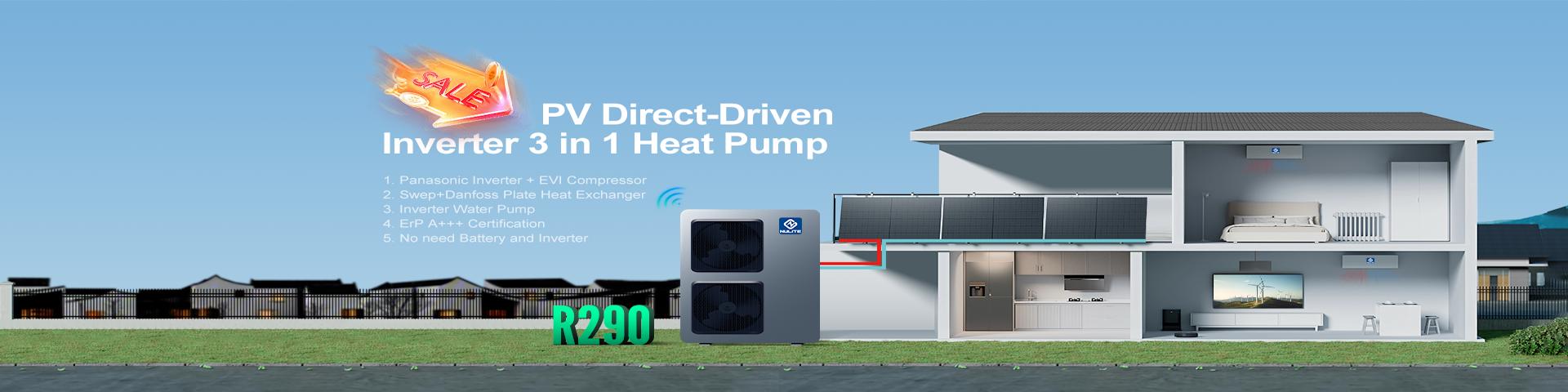
В современном мире, где вопросы энергосбережения и экологической устойчивости выходят на первый план, тепловые насосы модульной конструкции представляют собой настоящий прорыв. Эти устройства не только обеспечивают эффективное отопление и охлаждение зданий, но и значительно сокращают энергопотребление и выбросы парниковых газов. В данной статье мы подробно рассмотрим, как модульные тепловые насосы меняют ландшафт энергетики, их преимущества, принципы работы, области применения и будущие перспективы.
Введение в тепловые насосы
Тепловые насосы — это устройства, которые передают тепловую энергию из одного места в другое, используя небольшое количество электроэнергии. Они работают по принципу обратного цикла Карно, извлекая тепло из окружающей среды (воздуха, земли или воды) и передавая его в помещение для отопления или, наоборот, удаляя тепло для охлаждения. Это делает их чрезвычайно энергоэффективными, с коэффициентом полезного действия (КПД) often exceeding 300%, meaning they produce more energy than they consume.
Традиционные тепловые насосы, однако, often have limitations in terms of scalability and adaptability. They are typically designed as monolithic units, which can be difficult to install, maintain, and upgrade. This is where modular construction comes into play, offering a flexible and scalable solution that addresses these challenges.
Что такое модульная конструкция?
Модульная конструкция refers to the design of systems composed of separate, interchangeable modules that can be combined or reconfigured to meet specific needs. In the context of heat pumps, this means that the system is built from multiple smaller units that work together seamlessly. Each module can be a self-contained heat pump unit, and they can be stacked or arranged in various configurations to achieve the desired capacity.
This approach offers several key advantages. First, it allows for easy scalability. If a building's heating or cooling needs change, additional modules can be added without replacing the entire system. Second, it simplifies maintenance and repairs, as individual modules can be serviced or replaced without shutting down the whole system. Third, modular design enhances reliability through redundancy; if one module fails, the others can continue to operate, ensuring uninterrupted service.
Преимущества модульных тепловых насосов
Модульные тепловые насосы bring numerous benefits that make them a revolutionary technology in energy efficiency.
1. Высокая энергоэффективность
One of the most significant advantages is their superior energy efficiency. By leveraging ambient heat sources, these systems reduce reliance on fossil fuels. Modular designs often incorporate advanced technologies such as inverter compressors and smart controls that optimize performance based on real-time conditions, further enhancing efficiency. Studies show that modular heat pumps can achieve seasonal coefficients of performance (SCOP) of up to 5.0, meaning they deliver five units of heat for every unit of electricity consumed.
2. Гибкость и масштабируемость
Modularity allows these systems to be tailored to specific applications. Whether for a small residential building or a large commercial complex, modules can be combined to meet exact capacity requirements. This flexibility reduces initial costs, as systems can be expanded incrementally as needs grow, avoiding overinvestment.
3. Упрощенный монтаж и обслуживание
Installation is faster and less invasive compared to traditional systems. Modules are pre-assembled and tested, reducing on-site labor. Maintenance is also streamlined; technicians can isolate and service individual modules without disrupting the entire system, minimizing downtime and costs.
4. Надежность и отказоустойчивость
With multiple modules, the system has built-in redundancy. If one module fails, the others compensate, ensuring continuous operation. This is particularly important in critical applications like hospitals or data centers where uninterrupted climate control is essential.
5. Экологическая устойчивость
By using renewable heat sources and reducing energy consumption, modular heat pumps significantly lower carbon footprints. They often use environmentally friendly refrigerants with low global warming potential (GWP), aligning with global efforts to combat climate change.
Принципы работы модульных тепловых насосов
Modular heat pumps operate on the same basic principles as traditional ones but with enhanced control and integration. The system consists of multiple heat pump modules connected to a central controller. Each module includes a compressor, heat exchanger, and expansion valve. The controller coordinates their operation, distributing the load evenly and adjusting capacity based on demand.
For example, in heating mode, modules extract heat from the outside air (in air-source systems) or the ground (in ground-source systems). The heat is transferred to a refrigerant, which is compressed to raise its temperature, and then released indoors. In cooling mode, the process is reversed. Smart algorithms optimize the number of active modules, fan speeds, and other parameters to maximize efficiency.
Области применения
Modular heat pumps are versatile and can be used in various settings.
1. Жилые здания
In homes, they provide efficient heating and cooling, often integrated with underfloor heating or radiator systems. Their quiet operation and compact size make them ideal for urban environments.
2. Коммерческие и промышленные объекты
Office buildings, shopping malls, and factories benefit from the scalability and reliability of modular systems. They can handle large loads and be zoned for different areas, improving comfort and efficiency.
3. Учреждения
Schools, hospitals, and government buildings use these systems for their energy savings and fail-safe operation. In healthcare, precise temperature control is crucial, and modular designs ensure it.
4. Сельское хозяйство
Greenhouses and livestock buildings use heat pumps for climate control, promoting growth and reducing energy costs.
Будущие тенденции и инновации
The future of modular heat pumps is bright, with ongoing innovations driving further improvements. Integration with smart grids and IoT devices allows for demand response, where systems adjust operation based on electricity prices or grid conditions. Advances in materials, such as more efficient heat exchangers and compressors, will boost performance. Additionally, the use of artificial intelligence for predictive maintenance and optimization is becoming common, reducing operational costs.
Renewable energy integration is another key trend. Modular heat pumps can be paired with solar panels or wind turbines, creating fully sustainable heating and cooling solutions. This aligns with global goals for carbon neutrality by 2050.
Заключение
Тепловые насосы модульной конструкции indeed represent a revolution in energy efficiency. Their ability to provide scalable, reliable, and eco-friendly heating and cooling makes them a cornerstone of modern energy systems. As technology advances and adoption grows, they will play a crucial role in reducing global energy consumption and mitigating climate change. Embracing this innovation is not just a step towards sustainability but a leap into a smarter, more efficient future.
In summary, the modular approach transforms heat pumps from static units into dynamic, adaptable systems that meet the evolving needs of society. With benefits spanning efficiency, flexibility, and environmental impact, they are set to redefine how we think about climate control. As we move forward, continued investment in research and development will unlock even greater potentials, solidifying their place as a key technology in the quest for a sustainable world.
