


Вы когда-нибудь задумывались, как сэкономить на отоплении, не жертвуя комфортом и заботясь о планете? В мире, где цены на энергоресурсы постоянно растут, а экологические проблемы становятся все острее, поиск эффективных решений для обогрева дома становится критически важным. Воздушные тепловые насосы предлагают инновационный подход, который сочетает экономичность и экологичность. Но что это за технология, и почему она может быть идеальным выбором для вашего дома? Давайте погрузимся в детали и ответим на все ваши вопросы.
Что такое воздушный тепловой насос и как он работает?
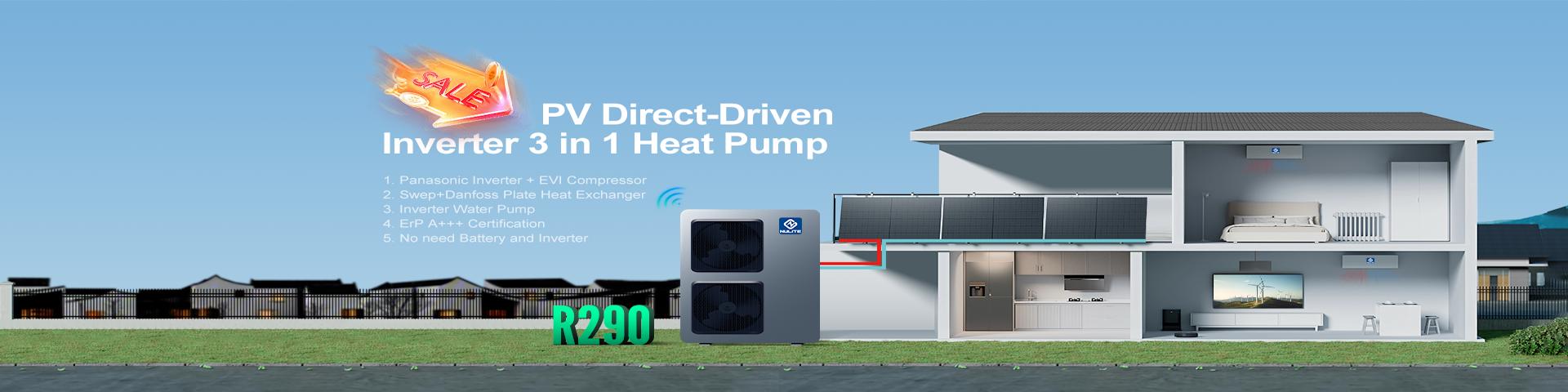
Воздушный тепловой насос — это устройство, которое использует энергию из наружного воздуха для обогрева или охлаждения помещений. Но как это возможно, особенно в холодную погоду? Принцип работы основан на термодинамическом цикле: насос забирает тепло из окружающего воздуха, даже при низких температурах, и передает его внутрь дома через систему отопления. Это похоже на то, как холодильник работает в обратном направлении — вместо охлаждения, он нагревает. Компоненты включают испаритель, компрессор, конденсатор и расширительный клапан, которые совместно обеспечивают高效ную передачу тепла. Не кажется ли это волшебством? На самом деле, это проверенная технология, которая уже decades используется в многих странах с холодным климатом, such как Швеция и Норвегия, доказывая свою эффективность даже при температурах ниже нуля.
Почему воздушные тепловые насосы считаются дешевым вариантом отопления?
Одним из главных преимуществ воздушных тепловых насосов является их способность значительно снизить затраты на отопление. Но как они достигают этого? Во-первых, они используют бесплатную энергию из воздуха, что означает, что вам не нужно покупать топливо, такое как газ или дрова. Вместо этого, насос потребляет небольшое количество электроэнергии для работы компрессора и других компонентов. Коэффициент производительности (COP) тепловых насосов часто превышает 3 или 4, что означает, что на каждую единицу потребленной электроэнергии они производят 3-4 единицы тепла. Сравните это с электрическими обогревателями, которые имеют COP около 1, или газовыми котлами, которые теряют энергию через дымоход. В долгосрочной перспективе это приводит к существенной экономии на счетах за отопление — до 50-70% по сравнению с традиционными системами. Кроме того, многие страны предлагают субсидии и налоговые льготы для установки тепловых насосов, further снижая initial costs. Разве не стоит инвестировать в technology, которая окупает себя за несколько лет?
Насколько экологичны воздушные тепловые насосы?
В эпоху изменения климата экологичность становится ключевым фактором при выборе системы отопления. Воздушные тепловые насосы выделяются здесь, потому что они не производят прямых выбросов CO2 или других загрязнителей во время работы. В отличие от fossil fuel systems, которые сжигают уголь, газ или нефть, тепловые насосы используют возобновляемую энергию из воздуха. Это значительно сокращает углеродный след вашего дома. Более того, если электроэнергия для питания насоса comes from renewable sources, such как solar или wind, система становится практически carbon-neutral. Даже при использовании electricity from grid, overall emissions ниже due to high efficiency. Согласно исследованиям, переход на тепловые насосы может reduce greenhouse gas emissions на 40-60% compared to gas boilers. Isn't it reassuring to know that your comfort doesn't come at the expense of the planet?
Какие типы воздушных тепловых насосов существуют и какой подойдет для моего дома?
Воздушные тепловые насосы бывают различных конфигураций, designed to suit different home sizes and climates. Основные типы включают air-to-air systems, которые directly heat the air inside, and air-to-water systems, которые integrate with hydronic heating systems like radiators or underfloor heating. For colder regions, there are low-temperature models that maintain efficiency even at -25°C. При выборе важно учитывать factors such as the size of your home, insulation levels, and local climate. A professional energy assessment can help determine the right capacity and type. Например, для well-insulated дома в умеренном климате, air-to-air насос может быть sufficient, while for larger homes or colder areas, air-to-water system with backup heating might be preferable. Также существуют hybrid systems that combine heat pumps with other sources for optimal performance. Doesn't it make sense to tailor the solution to your specific needs?
Какова стоимость установки и обслуживания воздушного теплового насоса?
Initial investment in a heat pump can be higher than traditional systems, but it's crucial to consider the long-term savings. Стоимость установки варьируется от 200,000 to 500,000 рублей в зависимости от типа и сложности системы. Однако, thanks to energy savings, payback period typically ranges from 5 to 10 years. Maintenance is relatively simple: regular cleaning of filters and annual check-ups by a technician to ensure efficiency. Components like compressors have long lifespans, often exceeding 15 years. Compared to boilers that require frequent fuel purchases and more complex maintenance, heat pumps offer lower ongoing costs. Additionally, many manufacturers provide warranties and support services. Isn't it a smart financial move to invest in a system that reduces your bills and requires minimal upkeep?
Каковы реальные отзывы пользователей о воздушных тепловых насосах?
Hearing from actual users can provide valuable insights. Many homeowners report significant reductions in heating bills—some by up to 60%—and appreciate the consistent comfort without cold spots. In forums and reviews, users often highlight the quiet operation and ability to also cool in summer, adding year-round value. However, some note that in extremely cold climates, supplemental heating might be needed, but modern systems are designed to handle this seamlessly. Overall, satisfaction rates are high, with users praising the environmental benefits and reliability. For instance, a family in Siberia shared how their heat pump kept them warm through harsh winters while cutting costs. Doesn't this real-world evidence boost your confidence?
Какие мифы и misconceptions surround воздушные тепловые насосы?
Despite their advantages, there are common myths that deter people. One is that they don't work in cold weather, but advancements have made them effective even below freezing. Another myth is that they are too noisy, but modern units operate quietly, often below 50 decibels. Some believe installation is overly complex, but with professional help, it's straightforward. Additionally, concerns about high electricity usage are mitigated by the high efficiency, meaning overall consumption is lower. Education and demystifying these aspects are key to adoption. Aren't it time to look beyond these misconceptions and embrace a proven technology?
Как воздушные тепловые насосы contribute to energy independence?
By reducing reliance on imported fossil fuels, heat pumps enhance energy security at both individual and national levels. Homes equipped with them are less vulnerable to price fluctuations in gas or oil markets. Moreover, when paired with solar panels, they can achieve near-complete energy self-sufficiency. This not only saves money but also supports local economies and reduces geopolitical risks associated with energy imports. In countries like Germany, policies promote heat pumps to achieve climate goals and energy independence. Doesn't fostering independence sound empowering?
What are the future trends and innovations in heat pump technology?
The industry is rapidly evolving with innovations aimed at improving efficiency and affordability. Smart heat pumps integrated with IoT devices allow for remote control and optimization based on weather forecasts and usage patterns. Advances in refrigerants are making systems even more environmentally friendly, with lower global warming potential. Additionally, costs are decreasing due to mass production and technological improvements. Governments worldwide are investing in R&D to make heat pumps a cornerstone of green energy transitions. With such momentum, isn't it exciting to be part of this sustainable future?
How can I get started with installing a heat pump in my home?
Taking the first step is easier than you think. Begin by consulting with a certified installer who can assess your home's suitability and provide a quote. Research available incentives and subsidies in your region—many programs offer financial support. Consider energy efficiency upgrades like better insulation to maximize the benefits. Plan for installation during milder seasons to avoid disruptions. With proper planning, you can enjoy a warmer, cheaper, and greener home in no time. Ready to make the switch and start saving?
In conclusion, воздушные тепловые насосы represent a smart, sustainable choice for modern heating. They offer economic savings, environmental benefits, and enhanced comfort. By addressing common questions and debunking myths, we hope this article has inspired you to explore this technology further. Embrace the future of home heating—it's efficient, eco-friendly, and within reach.
