


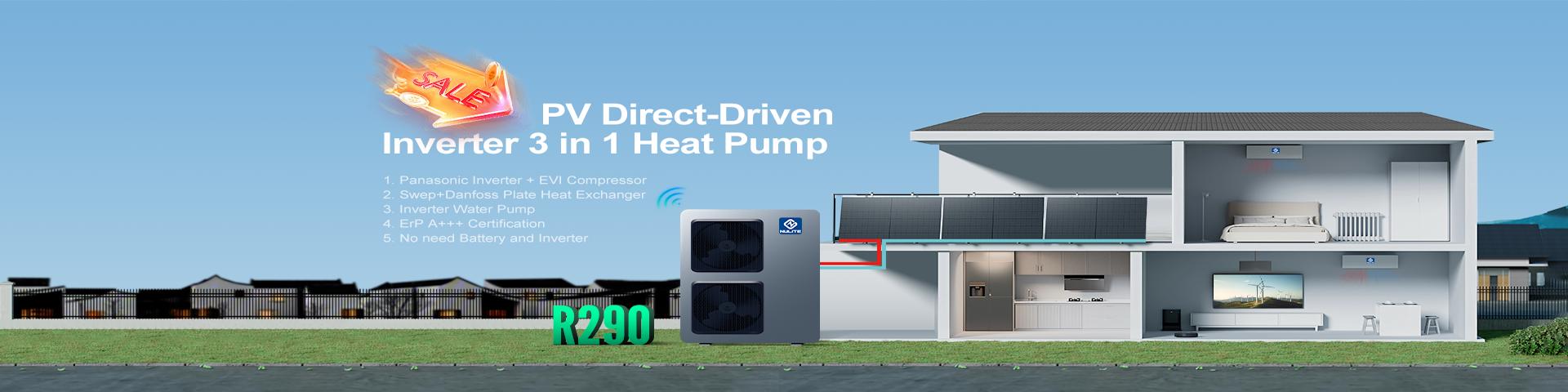
Вы когда-нибудь задумывались, как современные технологии могут радикально снизить ваши счета за энергию, одновременно заботясь об окружающей среде? В мире, где энергоэффективность становится не просто трендом, а необходимостью, теплонасосные рекуператоры emerge как революционное решение. Но что именно это за устройства, и почему они garner так much attention? В этой статье мы глубоко погрузимся в тему, отвечая на самые pressing вопросы о теплонасосных рекуператорах, их принципах работы, преимуществах, и том, как они могут transform ваш дом или офис в более sustainable пространство.
Что такое теплонасосные рекуператоры и как они работают?
Теплонасосные рекуператоры – это hybrid системы, combining элементы тепловых насосов и рекуператоров тепла. Они designed для recovery тепла из outgoing воздуха и его transfer к incoming воздуху, significantly reducing энергопотребление для отопления и охлаждения. Но как именно это происходит? Представьте себе: в winter, warm air из помещения выходит through ventilation, но instead of letting that heat escape, рекуператор captures it и uses it to preheat холодный incoming air. Тепловой насос усиливает этот процесс, используя refrigeration cycle для efficient heat transfer. Это не magic, а sophisticated engineering, основанная на principles thermodynamics. Isn't it fascinating, как such systems can achieve КПД до 80-90%?
Почему теплонасосные рекуператоры считаются инновацией?
В эпоху climate change и rising energy costs, инновации в energy efficiency critical. Теплонасосные рекуператоры represent a leap forward потому что они address multiple challenges simultaneously: они reduce carbon footprint, lower operational costs, и improve indoor air quality. Compared to traditional HVAC systems, они offer superior performance благодаря integration двух technologies. But are они truly game-changers? Да, потому что они enable buildings to achieve nearly passive standards, где heating и cooling demands minimized. Это не просто incremental improvement; это paradigm shift в how мы manage energy в зданиях. Can you imagine a future где every new construction incorporates such systems?
Каковы основные преимущества использования теплонасосных рекуператоров?
Преимущества multifaceted и compelling. Во-первых, экономия энергии: by recovering waste heat, эти системы can reduce energy consumption для отопления на 50-70%. Это translates to significant cost savings на utility bills. Во-вторых, environmental benefits: lower energy use means reduced greenhouse gas emissions, contributing to fight against global warming. В-третьих, comfort: они provide consistent temperature и humidity control, enhancing indoor environmental quality. Additionally, они often include filters that improve air quality by removing pollutants. But are there any downsides? Initial costs can be higher, но long-term savings и potential government incentives make them worthwhile investment. Isn't it worth considering для вашего next renovation?
Как теплонасосные рекуператоры интегрируются в существующие системы вентиляции?
Integration может seem daunting, но modern systems designed для compatibility с various setups. Они can be installed как standalone units или integrated into existing HVAC systems. Key factors include proper sizing, ductwork design, и control systems. Professional assessment recommended to ensure optimal performance. For example, в residential buildings, они often installed в utility rooms с connections to air ducts. In commercial settings, larger units used с centralized systems. But what about retrofitting? Да, многие модели adaptable, но may require modifications. It's always best to consult with experts to avoid pitfalls. Have you ever thought about how such integration could upgrade your building's efficiency?
Какие факторы влияют на эффективность теплонасосных рекуператоров?
Эффективность зависит от нескольких variables: climate conditions, building insulation, system size, и maintenance. In colder climates, benefits more pronounced due to higher heating demands. Good insulation ensures that recovered heat not wasted. Proper sizing crucial – oversized или undersized systems can lead to inefficiencies. Regular maintenance, such as cleaning filters и checking components, essential для sustained performance. Additionally, control systems play a role; smart thermostats can optimize operation based on occupancy и weather. But how can users maximize efficiency? By combining с other energy-saving measures, like solar panels или high-efficiency windows. Isn't it amazing how a holistic approach can amplify savings?
Каковы cost considerations при установке теплонасосных рекуператоров?
Initial investment can range от несколько тысяч до tens of thousands рублей, depending on system size и complexity. Однако, operational savings over time often offset these costs. Payback periods vary but typically between 5-10 years. Government incentives, tax credits, или subsidies may available в некоторых regions to reduce upfront costs. For instance, в России, программы like energy efficiency grants can help. Moreover, increased property value и reduced maintenance costs add to the financial benefits. But is it affordable для average homeowner? With financing options и long-term perspective, да. Wouldn't it be wise to calculate your potential savings?
Как теплонасосные рекуператоры contribute to sustainable development?
Sustainability core to their design. By reducing energy consumption, они help conserve natural resources и decrease reliance on fossil fuels. This aligns with global goals like the Paris Agreement и SDGs. In urban areas, они can reduce peak load on grids, preventing blackouts. Furthermore, они promote healthier living environments by ensuring good ventilation без energy penalty. But is their impact significant? Да, especially при widespread adoption. Imagine cities where buildings are net-zero energy – теплонасосные рекуператоры key enabler. Aren't such innovations essential для a sustainable future?
Какие инновации ожидаются в будущем для теплонасосных рекуператоров?
Future trends include integration with IoT для smart control, use of advanced materials для higher efficiency, и development of smaller, more affordable units. Research focused on improving COP (Coefficient of Performance) и reducing environmental impact of refrigerants. Additionally, hybrid systems with renewable energy sources, like geothermal или solar thermal, are emerging. But what does this mean for consumers? More user-friendly, cost-effective options that make energy savings accessible to all. Could we see AI-powered systems that predict and optimize energy use? Very likely. The future is bright, и staying informed поможет вам capitalize on these advances.
Заключение: Стоит ли инвестировать в теплонасосные рекуператоры?
In summary, теплонасосные рекуператоры offer a powerful solution для energy savings, environmental protection, и enhanced comfort. While initial costs may be a barrier, long-term benefits undeniable. By answering these questions, мы hope to have shed light on why они are considered a key innovation. Whether you're a homeowner, business owner, или policymaker, considering их adoption can be a step towards a more sustainable and economical future. So, what's stopping you from exploring this technology further? Dive in, consult professionals, и make an informed decision – your wallet и planet will thank you.
Эта статья предоставляет comprehensive overview, но remember, всегда seek expert advice для specific cases. Energy efficiency – journey, и каждый step counts.
