


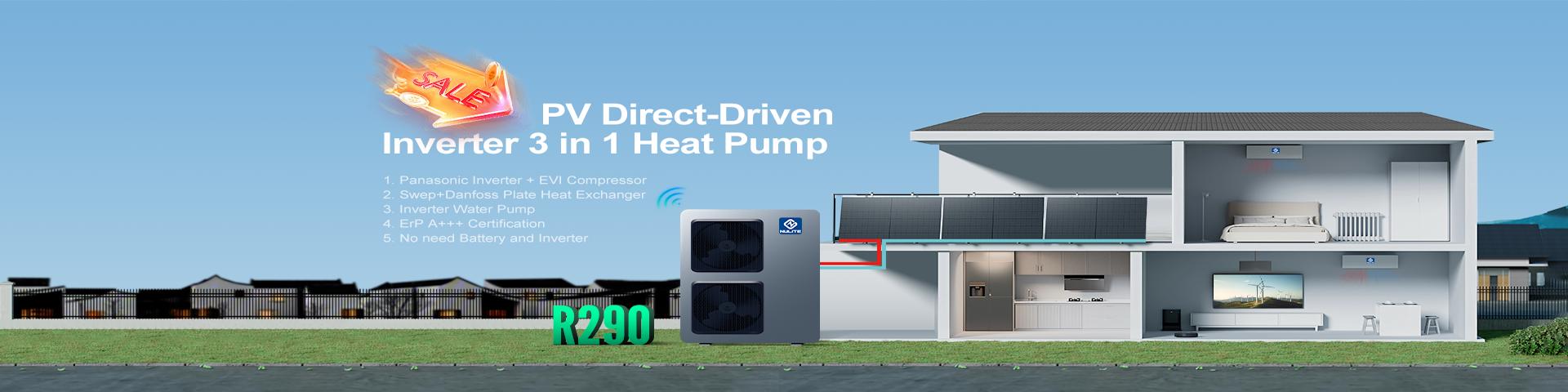
В современном мире, где изменение климата и рост энергопотребления становятся все более актуальными проблемами, эффективное проектирование тепловых насосов для охлаждения зданий играет ключевую роль. Тепловые насосы представляют собой инновационные системы, которые не только обеспечивают комфортный микроклимат, но и способствуют значительной экономии энергии и снижению выбросов углекислого газа. В этой статье мы подробно рассмотрим принципы работы, преимущества, методы проектирования и будущие тенденции в области тепловых насосов для охлаждения, предоставляя ценные insights для инженеров, архитекторов и всех, кто заинтересован в устойчивом развитии.
1. Введение в тепловые насосы и их роль в охлаждении
Тепловые насосы — это устройства, которые передают тепловую энергию из одного места в другое, используя механическую работу. В контексте охлаждения зданий они функционируют как реверсивные системы: летом они извлекают тепло из внутренних помещений и рассеивают его наружу, создавая прохладную атмосферу. Это основано на цикле охлаждения, аналогичном тому, что используется в кондиционерах, но с更高的 эффективностью благодаря возможности работы в обоих направлениях (охлаждение и обогрев).
История тепловых насосов восходит к XIX веку, но их широкое применение началось лишь в последние десятилетия due to advancements in technology and growing environmental awareness. Сегодня они являются integral part of sustainable building design, особенно в регионах с умеренным климатом, где потребность в охлаждении и обогреве варьируется сезонно.
Роль тепловых насосов в охлаждении зданий невозможно переоценить. Они не только reduce reliance on traditional air conditioning systems, которые often consume large amounts of electricity, но и contribute to lower carbon footprints. Например, в Европе и Северной Америке тепловые насосы стали популярны в жилых и коммерческих зданиях, демонстрируя до 50% экономии энергии по сравнению с conventional systems.
Ключевые компоненты теплового насоса включают компрессор, конденсатор, испаритель и расширительный клапан. В режиме охлаждения, хладагент циркулирует through these components, absorbing heat from indoors and releasing it outdoors. This process is highly efficient because it moves heat rather than generating it, resulting in coefficients of performance (COP) often exceeding 3 or 4, meaning for every unit of electricity consumed, 3-4 units of cooling are produced.
В целом, тепловые насосы offer a versatile solution for building climate control, aligning with global trends towards energy efficiency and renewable energy integration. As we delve deeper into this topic, we will explore the technical nuances that make effective design crucial for maximizing benefits.
2. Принципы работы тепловых насосов в режиме охлаждения
Чтобы понять эффективное проектирование, необходимо сначала grasp the fundamental principles of how heat pumps operate in cooling mode. The process is based on the refrigeration cycle, which involves four main stages: evaporation, compression, condensation, and expansion.
In the evaporation stage, the refrigerant, typically a substance like R410A or R32, absorbs heat from the indoor air as it evaporates at low pressure and temperature. This cools the indoor space. The compressor then increases the pressure and temperature of the refrigerant vapor, preparing it for the next stage. During condensation, the high-pressure vapor releases heat to the outdoor environment as it condenses into a liquid. Finally, the expansion valve reduces the pressure of the liquid refrigerant, cooling it further before it returns to the evaporator to repeat the cycle.
This cycle is highly efficient due to the laws of thermodynamics. The coefficient of performance (COP) is a critical metric, defined as the ratio of cooling output to electrical input. For cooling, COP = Q_cooling / W_input, where Q_cooling is the heat removed and W_input is the work done by the compressor. Modern heat pumps can achieve COPs of 4 or higher under ideal conditions, making them superior to traditional air conditioners that often have COPs around 2-3.
Another important aspect is the use of inverters and variable speed drives. These technologies allow the heat pump to adjust its output based on the cooling demand, reducing energy consumption during partial load conditions. This is particularly beneficial in buildings where occupancy and external temperatures fluctuate throughout the day.
Furthermore, heat pumps can be integrated with other systems, such as geothermal loops or solar panels, to enhance efficiency. For instance, geothermal heat pumps use the stable temperature of the earth as a heat sink, improving performance in extreme weather conditions. This multi-faceted approach underscores the importance of a well-thought-out design to harness these principles effectively.
In summary, the operation of heat pumps in cooling mode relies on efficient heat transfer and smart control systems. Designers must consider factors like refrigerant selection, component sizing, and system integration to optimize performance. As we move forward, we will discuss how to translate these principles into practical design strategies.
3. Преимущества использования тепловых насосов для охлаждения
Использование тепловых насосов для охлаждения зданий offers numerous advantages that make them an attractive choice for modern construction. These benefits span economic, environmental, and practical domains.
Economically, heat pumps can lead to significant cost savings over time. Although the initial investment may be higher than traditional AC units, the reduced energy consumption results in lower utility bills. For example, a study by the U.S. Department of Energy showed that heat pumps can save homeowners up to 30-40% on cooling costs compared to standard systems. Additionally, many governments offer incentives and rebates for installing energy-efficient systems, further offsetting the upfront costs.
Environmentally, heat pumps are a greener alternative. By using electricity to move heat rather than generate it through combustion, they produce fewer greenhouse gas emissions, especially if the electricity comes from renewable sources. This aligns with global efforts to combat climate change, such as the Paris Agreement. Moreover, modern refrigerants used in heat pumps have lower global warming potential (GWP) than older ones, reducing their environmental impact.
Practically, heat pumps provide versatile climate control. They can function for both cooling and heating, eliminating the need for separate systems and saving space. This is particularly useful in regions with distinct seasons. They also offer improved comfort through precise temperature control and dehumidification capabilities, enhancing indoor air quality.
From a reliability perspective, heat pumps are designed for durability and low maintenance. With proper installation and regular servicing, they can last 15-20 years or more. Advances in technology have also made them quieter and more compact, making them suitable for a wide range of building types, from residential homes to large commercial complexes.
In conclusion, the advantages of heat pumps for cooling are compelling. They represent a smart investment for the future, contributing to energy independence and sustainability. As we explore design aspects, these benefits will be maximized through careful planning and implementation.
4. Ключевые факторы эффективного проектирования
Эффективное проектирование тепловых насосов для охлаждения требует учета множества факторов, которые влияют на производительность, надежность и стоимость системы. Вот основные аспекты, которые необходимо учитывать:
- Расчет нагрузки: Определение точной cooling load здания является первым шагом. Это включает анализ размеров помещений, инсоляции, теплоизоляции, occupancy, и внутренних heat gains от appliances. Использование software like ENERGY STAR или ручных расчетов по стандартам ASHRAE помогает ensure accurate sizing.
- Выбор оборудования: Подбор appropriate heat pump unit based on capacity, COP, and compatibility with the building's needs. Factors such as the type (air-source, ground-source, or water-source), brand reputation, and warranty should be considered.
- Система распределения: Design of ductwork or hydronic systems for air or water distribution. Proper duct sizing and insulation minimize energy losses and ensure even cooling.
- Интеграция с другими системами: Coordination with HVAC systems, building automation, and renewable energy sources like solar panels to enhance overall efficiency.
- Учет климатических условий: Adaptation to local weather patterns; for instance, in hot climates, emphasis on high COP and heat rejection methods, while in humid areas, incorporation of dehumidification features.
- Энергоэффективность: Incorporation of energy-saving technologies such as variable speed compressors, smart thermostats, and heat recovery systems.
- Стоимость и окупаемость: Balancing initial costs with long-term savings through life-cycle cost analysis. This includes evaluating payback periods and return on investment.
- Экологические аспекты: Selection of eco-friendly refrigerants and materials to minimize environmental impact, in compliance with regulations like the F-Gas Regulation in the EU.
Для иллюстрации, рассмотрим пример: при проектировании теплового насоса для офисного здания в Москве, где летние температуры могут достигать 30°C, необходимо провести детальный thermal load calculation, выбрать air-source heat pump с COP не менее 4, и интегрировать его с системой вентиляции для оптимального air distribution. Additionally, using building management systems (BMS) can automate operations based on occupancy, further reducing energy use.
В целом, эффективное проектирование — это комплексный процесс, требующий collaboration between engineers, architects, and stakeholders. By addressing these factors, designers can create systems that are not only efficient but also resilient and future-proof.
5. Технические аспекты и инновации
Современные тепловые насосы incorporate advanced technical features and innovations that enhance their cooling performance. Understanding these aspects is crucial for effective design.
One key innovation is the use of inverter technology. Unlike traditional on/off compressors, inverter-driven compressors adjust their speed based on cooling demand, providing precise temperature control and reducing energy consumption. This results in higher efficiency and longer equipment life.
Another advancement is the development of low-GWP refrigerants. With phasing out of high-GWP refrigerants like R22, new options such as R32 and R1234yf offer better environmental profiles while maintaining performance. Designers must ensure compatibility with these refrigerants and consider factors like flammability and toxicity.
Heat pump systems are also becoming smarter with IoT integration. Sensors and connectivity allow for real-time monitoring, predictive maintenance, and remote control via smartphones or Building Automation Systems (BAS). This not only improves efficiency but also enhances user convenience.
In terms of components, improvements in heat exchangers (e.g., microchannel coils) and compressors (e.g., scroll or rotary types) have increased heat transfer efficiency and reduced size. For ground-source heat pumps, innovations in borehole drilling and loop design have made geothermal systems more accessible and cost-effective.
Additionally, hybrid systems that combine heat pumps with other technologies, such as solar thermal or absorption chillers, are gaining traction. These systems can provide cooling even during peak demand periods, leveraging renewable energy to offset electricity use.
Looking ahead, emerging technologies like magnetic refrigeration or thermoelectric cooling hold promise for even greater efficiencies, though they are still in the research phase. For now, focusing on proven innovations and proper system integration is key to successful design.
In practice, designers should stay updated with industry standards and certifications, such as those from ENERGY STAR or Eurovent, to ensure their projects meet the highest performance criteria. By leveraging these technical aspects, heat pump systems can achieve optimal cooling with minimal environmental impact.
6. Примеры успешных проектов и case studies
Чтобы проиллюстрировать эффективность хорошо спроектированных тепловых насосов, рассмотрим несколько реальных примеров и case studies из разных регионов.
Пример 1: Жилой комплекс в Германии
В Берлине, многоквартирный жилой комплекс был оборудован воздушными тепловыми насосами для охлаждения и обогрева. Проект включал точный расчет load с учетом немецких стандартов энергоэффективности EnEV. В результате, система достигла COP 4.2 летом, reducing energy consumption by 35% compared to previous gas-based systems. Residents reported improved comfort, and the project received funding from local green initiatives.
Пример 2: Коммерческое здание в США
В Калифорнии, офисное здание использовало geothermal heat pumps for cooling. By leveraging the stable ground temperatures, the system maintained a COP of 5 even during hot spells. The design involved detailed geological surveys and efficient loop field layout. The building achieved LEED Platinum certification, with annual energy savings of over $50,000.
Пример 3: Гостиница в России
В Сочи, прибрежная гостиница внедрила гибридную систему с тепловыми насосами и solar panels. Летом, насосы обеспечивали охлаждение, while excess solar energy was used to power the system. The project highlighted the importance of climate-specific design, as the humid conditions required enhanced dehumidification. Post-installation, the hotel saw a 40% reduction in cooling costs and positive guest feedback on air quality.
These case studies demonstrate that effective design hinges on thorough analysis, adaptation to local conditions, and integration of modern technologies. They serve as benchmarks for future projects, showing that heat pumps are a viable solution across various building types and climates.
In summary, learning from successful implementations can guide designers in avoiding common pitfalls and maximizing the benefits of heat pump systems for cooling.
7. Экономические и экологические соображения
При проектировании тепловых насосов для охлаждения, экономические и экологические аспекты тесно переплетены. Анализ затрат и выгод помогает justify the investment, while environmental considerations ensure sustainability.
С экономической точки зрения, первоначальные затраты на тепловые насосы могут быть выше, чем на традиционные системы кондиционирования. Однако, благодаря lower operating costs, окупаемость often occurs within 5-10 years. For instance, the installed cost of an air-source heat pump might range from $3,000 to $10,000 per ton of cooling capacity, but the energy savings can recoup this over time. Government incentives, such as tax credits or grants, can further reduce the financial burden.
Life-cycle cost analysis (LCCA) is a valuable tool for evaluating the total cost of ownership, including installation, maintenance, energy, and disposal. This helps stakeholders make informed decisions. In many cases, heat pumps prove to be more cost-effective in the long run, especially as energy prices rise.
С экологической стороны, тепловые насосы contribute to reduced carbon emissions by decreasing reliance on fossil fuels. According to the International Energy Agency (IEA), widespread adoption of heat pumps could cut global CO2 emissions by up to 1.5 gigatons by 2050. Additionally, using refrigerants with low GWP minimizes the impact on ozone depletion and climate change.
Designers should also consider the embodied energy of materials and the end-of-life disposal of components. Choosing recyclable materials and planning for refrigerant recovery can enhance the environmental profile of the project.
In practice, balancing economics and ecology requires a holistic approach. For example, in a project in Scandinavia, designers opted for a ground-source heat pump system despite higher upfront costs, knowing that the region's cold climate would maximize savings and environmental benefits. The project achieved a payback period of 7 years and significant emission reductions.
Ultimately, effective design must align with both financial constraints and sustainability goals, ensuring that heat pump systems deliver value without compromising planetary health.
8. Будущие тенденции и рекомендации
Будущее проектирования тепловых насосов для охлаждения зданий looks promising, with several trends set to shape the industry. Staying ahead of these developments can help designers create even more efficient and sustainable systems.
One major trend is the increased integration of artificial intelligence (AI) and machine learning. AI algorithms can optimize system operation by predicting cooling demand based on weather forecasts, occupancy patterns, and historical data. This leads to proactive energy management and further reductions in consumption.
Another trend is the growth of district cooling systems using large-scale heat pumps. These systems serve multiple buildings, leveraging economies of scale and renewable energy sources. For urban areas, this approach can significantly reduce the urban heat island effect and overall energy use.
The push towards net-zero energy buildings is also driving innovation. Heat pumps are being combined with photovoltaic systems, energy storage, and advanced insulation to create buildings that produce as much energy as they consume. This holistic design requires close collaboration between all parties involved in construction.
In terms of recommendations, designers should:
- Prioritize energy modeling and simulation during the design phase to identify potential improvements.
- Stay informed about new refrigerants and regulations to ensure compliance and performance.
- Educate clients and stakeholders on the long-term benefits of heat pumps to foster adoption.
- Consider modular and scalable designs that allow for future expansions or upgrades.
- Focus on user-friendly interfaces and maintenance plans to ensure system longevity and satisfaction.
For instance, in a recent project in Japan, designers used AI-based control systems for a heat pump installation in a smart building, resulting in a 20% increase in efficiency compared to conventional setups. This highlights the importance of embracing new technologies.
In conclusion, the future of heat pump design is bright, with continuous advancements poised to enhance cooling performance. By adopting these trends and recommendations, designers can contribute to a more sustainable and energy-efficient built environment.
9. Заключение
В этой статье мы подробно explored эффективное проектирование тепловых насосов для охлаждения зданий. От основ工作原理 до передовых инноваций, мы covered key aspects that make these systems a cornerstone of modern HVAC design.
Тепловые насосы offer unparalleled efficiency, environmental benefits, and versatility. Through careful consideration of factors like load calculation, equipment selection, and integration, designers can create systems that not only meet cooling demands but also promote sustainability. The case studies and trends discussed underscore the practical applicability and future potential of this technology.
As the world moves towards a greener future, embracing heat pumps for cooling is not just an option but a necessity. We encourage engineers, architects, and policymakers to leverage the insights provided here to drive innovation and implementation in their projects.
Thank you for reading, and we hope this article serves as a valuable resource for your endeavors in efficient building design.
Ключевые выводы:
- Тепловые насосы обеспечивают высокоэффективное охлаждение с COP до 4 и выше.
- Эффективное проектирование требует учета нагрузки, оборудования и интеграции.
- Экономическая окупаемость и экологические преимущества делают их привлекательным выбором.
- Будущие тенденции включают ИИ, гибридные системы и стремление к нулевому энергопотреблению.
