


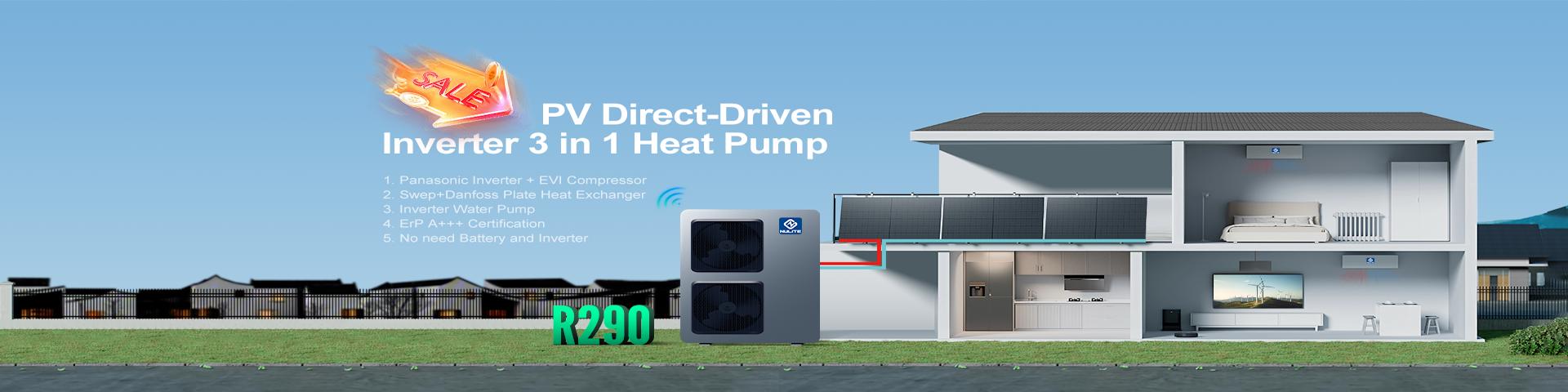
В современном мире, где вопросы энергоэффективности и устойчивого развития становятся все более актуальными, грунтовые тепловые насосы представляют собой перспективную технологию для отопления и охлаждения зданий. Эти системы используют стабильную температуру земли для передачи тепла, что позволяет значительно снизить потребление энергии по сравнению с традиционными методами. Однако, как и любое сложное оборудование, грунтовые тепловые насосы требуют регулярного и качественного обслуживания для обеспечения их долговечности, эффективности и экономии ресурсов. В этой статье мы подробно рассмотрим, почему обслуживание этих систем критически важно, как его правильно организовать и какие выгоды оно приносит в долгосрочной перспективе.
Введение в грунтовые тепловые насосы
Грунтовые тепловые насосы, также известные как геотермальные тепловые насосы, являются частью семейства тепловых насосов, которые используют землю в качестве источника или поглотителя тепла. В отличие от воздушных тепловых насосов, которые зависят от изменчивой температуры воздуха, грунтовые системы извлекают тепло из почвы или грунтовых вод, где температура остается относительно постоянной в течение года. Это делает их более эффективными, особенно в регионах с экстремальными климатическими условиями.
Основные компоненты грунтового теплового насоса включают:
- Земляной контур: система труб, проложенных в грунте, по которой циркулирует теплоноситель (обычно вода или антифриз).
- Тепловой насос: устройство, которое передает тепло от земли к зданию (в режиме отопления) или наоборот (в режиме охлаждения).
- Система распределения: например, радиаторы или системы теплого пола, которые распределяют тепло по помещению.
Принцип работы основан на том, что земля на глубине нескольких метров имеет практически постоянную температуру (обычно от 8 до 12°C в умеренных широтах). Зимой тепловой насос извлекает это тепло и повышает его температуру для обогрева здания, а летом он может отводить избыточное тепло из здания в землю, обеспечивая охлаждение. Этот процесс высокоэффективен, с коэффициентом производительности (COP) часто превышающим 4, что означает, что на каждую единицу потребленной электроэнергии система производит 4 или более единиц тепловой энергии.
Однако, несмотря на свою эффективность, грунтовые тепловые насосы являются капиталоемкими инвестициями. Стоимость установки может быть значительной из-за необходимости бурения скважин или прокладки горизонтальных коллекторов. Поэтому для обеспечения окупаемости и максимальной отдачи от этих инвестиций критически важно поддерживать систему в оптимальном состоянии через регулярное обслуживание. Пренебрежение обслуживанием может привести к снижению эффективности, повышенным затратам на энергию и даже преждевременному выходу из строя оборудования.
Важность регулярного обслуживания
Регулярное обслуживание грунтовых тепловых насосов не является роскошью, а необходимостью для достижения заявленных benefits, таких как экономия ресурсов и снижение эксплуатационных расходов. Вот ключевые причины, почему обслуживание так важно:
Во-первых, обслуживание помогает поддерживать высокую энергоэффективность системы. Со временем компоненты насоса, такие как компрессоры, теплообменники и вентиляторы, могут изнашиваться или загрязняться, что снижает их производительность. Например, загрязнение теплообменника может уменьшить теплопередачу, вынуждая насос работать дольше и потреблять больше энергии для достижения той же температуры. Регулярная очистка и проверка этих компонентов позволяют сохранить COP на высоком уровне, что напрямую translates into экономию электроэнергии и снижение счетов за коммунальные услуги.
Во-вторых, профилактическое обслуживание предотвращает серьезные поломки и продлевает срок службы системы. Грунтовые тепловые насосы рассчитаны на длительную эксплуатацию (часто 20-25 лет и более), но без надлежащего ухода этот срок может сократиться. Мелкие issues, такие как утечки хладагента или corrosion в земляном контуре, если их вовремя не обнаружить, могут escalate into costly repairs or even require complete replacement of parts. Регулярные inspections позволяют выявить проблемы на ранней стадии, когда их устранение обходится дешевле и проще.
В-третьих, обслуживание обеспечивает безопасность и надежность системы. Неисправные тепловые насосы могут представлять risks, такие as утечки hazardous refrigerants or electrical faults. Профессиональное обслуживание включает проверки безопасности, которые минимизируют эти risks и обеспечивают бесперебойную работу системы, especially в критически важные периоды, like зимние морозы или летняя жара.
Кроме того, регулярное обслуживание способствует достижению экологических целей. Поскольку грунтовые тепловые насосы являются green technology, их эффективная работа reduces carbon footprint by minimizing energy consumption from fossil fuels. Поддержание системы в peak condition означает, что она continues to contribute to sustainability goals, such as reducing greenhouse gas emissions and promoting renewable energy use.
Наконец, с экономической точки зрения, инвестиции в обслуживание окупаются through снижение operating costs. Исследования показывают, что well-maintained тепловые насосы can save up to 30-50% on energy bills compared to poorly maintained ones. В долгосрочной перспективе это leads to значительной экономии resources, making обслуживание smart financial decision.
Ключевые аспекты обслуживания грунтовых тепловых насосов
Эффективное обслуживание грунтовых тепловых насосов involves комплексный подход, covering несколько critical areas. Вот основные аспекты, на которые следует обратить внимание:
1. Регулярные проверки и мониторинг
Регулярные inspections являются фундаментом любого плана обслуживания. Для грунтовых тепловых насосов рекомендуется проводить ежегодные проверки квалифицированным technician. These inspections should include:
- Визуальный осмотр всех компонентов системы на признаки износа, corrosion, или damage.
- Проверка уровней хладагента и давления в system, as leaks can significantly reduce efficiency.
- Тестирование electrical connections, controls, and safety devices to ensure they are functioning properly.
- Мониторинг performance metrics, such as COP and temperature differentials, to detect any deviations from expected values.
Использование современных monitoring systems, such as IoT-enabled sensors, can provide real-time data on system performance, allowing for proactive maintenance rather than reactive repairs. Например, датчики can отслеживать temperature и flow rates в earth loop, alerting to potential issues like blockages or reduced heat transfer.
2. Очистка и обслуживание компонентов
Загрязнение является common problem that can impair efficiency. Key components that require regular cleaning include:
- Теплообменники: both the evaporator and condenser should be cleaned to remove dirt, scale, or biological growth that can insulate surfaces and reduce heat transfer.
- Фильтры: air filters (if applicable) and fluid filters in the system should be checked and replaced or cleaned as needed to maintain proper flow.
- Earth loop: though buried, the loop should be inspected for signs of corrosion or blockage. Flushing the loop with cleaning solutions can help remove deposits that accumulate over time.
Для насосов и компрессоров, lubrication и проверка на износ подшипников are essential to prevent mechanical failures.
3. Калибровка и настройка системы
Со временем settings системы могут drift due to wear or environmental changes. Регулярная калибровка controls, such as thermostats and pressure switches, ensures that the system operates at optimal parameters. Например, adjusting the setpoints for heating and cooling can improve comfort and efficiency based on seasonal changes.
Additionally, software updates for smart controls can enhance functionality and integrate with energy management systems for better overall performance.
4. Уход за земляным контуром
Earth loop is a critical and often overlooked part of the system. Since it is buried, it is less accessible but equally important. Maintenance activities include:
- Проверка на утечки: using pressure tests or leak detection equipment to ensure the loop is intact.
- Мониторинг thermal performance: measuring the temperature drop or rise across the loop to assess if it is functioning efficiently. A significant change may indicate issues like reduced groundwater flow or soil compaction.
- Предотвращение freezing: in cold climates, ensuring that the antifreeze concentration is adequate to prevent freezing in the loop.
For horizontal loops, inspection of the trench area for erosion or vegetation growth that could affect heat exchange is also recommended.
5. Обучение пользователей
Владельцы системы should be educated on basic maintenance tasks they can perform themselves, such as changing air filters or monitoring system alerts. This empowers them to contribute to the system's longevity and recognize early signs of problems.
Профессиональное обслуживание should be scheduled based on manufacturer recommendations and local conditions. For instance, in areas with hard water, more frequent descaling of heat exchangers might be necessary.
Распространенные проблемы и их решения
Несмотря на надежность, грунтовые тепловые насосы могут сталкиваться с various issues. Understanding common problems and their solutions is key to effective maintenance. Here are some typical challenges:
1. Снижение эффективности (пониженный COP)
Симптомы: system работает дольше для достижения desired temperature, increased energy consumption. Причины: загрязнение теплообменников, утечки хладагента, или проблемы с earth loop. Решения: очистка компонентов, заправка хладагента, проверка loop на blockages.
2. Утечки хладагента
Симптомы: loss of cooling or heating capacity, hissing sounds, ice formation on components. Причины: wear and tear, corrosion, or poor installation. Решения: leak detection and repair by a certified technician, followed by recharging the system.
3. Проблемы с earth loop
Симптомы: inadequate heat transfer, system struggling to maintain temperature. Причины: corrosion, biological growth, or soil settling affecting loop performance. Решения: flushing the loop, adding inhibitors to prevent corrosion, or in severe cases, replacing sections of the loop.
4. Electrical issues
Симптомы: system not starting, frequent tripping of circuit breakers. Причины: faulty wiring, capacitor failures, or motor issues. Решения: electrical testing and replacement of damaged components by a qualified electrician.
5. Шум и вибрация
Симптомы: unusual noises during operation. Причины: loose parts, worn bearings, or imbalance in fans/pumps. Решения: tightening connections, lubrication, or replacing noisy components.
Regular maintenance helps prevent these issues or catch them early. For example, annual pressure tests of the loop can detect leaks before they cause significant efficiency drops.
Практические советы для владельцев и специалистов
Чтобы maximize benefits от обслуживания, вот practical tips for both owners and maintenance professionals:
Для владельцев:
- Ведите журнал обслуживания: record all maintenance activities, including dates, performed tasks, and any issues noted. This helps track system history and plan future maintenance.
- Мониторьте энергопотребление: track your energy bills to spot increases that might indicate efficiency problems.
- Выполняйте basic tasks: such as cleaning or replacing air filters every 1-3 months, depending on usage.
- Обращайтесь к professionals: for complex issues, always hire certified technicians with experience in geothermal systems to avoid voiding warranties or causing further damage.
Для специалистов по обслуживанию:
- Используйте proper tools: invest in equipment like leak detectors, manifold gauges, and thermal cameras for accurate diagnostics.
- Следуйте manufacturer guidelines: adhere to recommended maintenance schedules and procedures specific to the brand and model of the heat pump.
- Обучайтесь continuously: stay updated on new technologies and best practices through training and certifications.
- Предлагайте preventive packages: create maintenance plans for clients that include regular check-ups to build long-term relationships and ensure client satisfaction.
Additionally, consider environmental factors. For example, in regions with high mineral content in water, more frequent descaling might be necessary. Similarly, in areas prone to earthquakes, additional securing of components may be advised.
Экономические и экологические выгоды долгосрочного обслуживания
Инвестиции в регулярное обслуживание грунтовых тепловых насосов приносят substantial economic and environmental benefits over the long term. Let's explore these in detail:
Экономические выгоды:
- Снижение operating costs: well-maintained systems consume less energy, leading to lower utility bills. Studies show that maintenance can improve efficiency by 10-20%, translating to annual savings of hundreds or even thousands of dollars, depending on system size and local energy prices.
- Увеличение срока службы оборудования: preventive maintenance extends the life of the heat pump, delaying the need for costly replacements. For instance, a system that might last 20 years without care could reach 30 years with proper maintenance, providing more value from the initial investment.
- Минимизация repair costs: catching issues early reduces the likelihood of major breakdowns, which are often expensive to fix. For example, repairing a small leak early is much cheaper than replacing a compressor damaged by low refrigerant levels.
- Повышение property value: homes with efficient, well-maintained geothermal systems are more attractive to buyers, potentially increasing resale value.
Экологические выгоды:
- Сокращение carbon emissions: by maintaining high efficiency, the system uses less electricity, which often comes from fossil fuels. This directly reduces greenhouse gas emissions, contributing to climate change mitigation.
- Сохранение resources: efficient operation means less strain on power grids and reduced demand for energy production, conserving natural resources like coal or gas.
- Поддержка sustainability goals: geothermal energy is renewable, and keeping the system optimal ensures it remains a green solution aligns with global efforts like the Paris Agreement.
Case studies have demonstrated these benefits. For example, a school in Germany reported 25% energy savings after implementing a rigorous maintenance schedule for their geothermal system, resulting in both cost reductions and lower CO2 emissions.
Moreover, governments and organizations often offer incentives for maintaining energy-efficient systems, such as tax credits or rebates, which further enhance the economic appeal.
Заключение
В заключение, эффективное обслуживание грунтовых тепловых насосов является неотъемлемой частью обеспечения их долгосрочной performance и экономии ресурсов. Эти системы предлагают значительные advantages в terms of energy efficiency and environmental sustainability, но их potential can only be fully realized through regular and proactive maintenance. By investing in routine inspections, cleaning, and adjustments, владельцы can enjoy lower energy bills, reduced repair costs, and extended equipment life, while also contributing to a greener planet.
Ключевые takeaways включают:
- Регулярное обслуживание поддерживает высокий COP и эффективность.
- Профилактические меры предотвращают дорогостоящие поломки и prolong срок службы.
- Практические steps, такие как ведение журнала и collaboration с professionals, essential for success.
- Экономические и экологические выгоды make обслуживание wise investment for the future.
As the world moves towards more sustainable energy solutions, грунтовые тепловые насосы will play a crucial role. Ensuring they are well-maintained not only protects your investment but also supports global efforts to combat climate change. Start today by scheduling a professional inspection and committing to a maintenance plan – your wallet and the environment will thank you.
Для дальнейшего чтения, обратитесь к руководствам производителей или consult with local experts to tailor maintenance to your specific system and conditions.
