


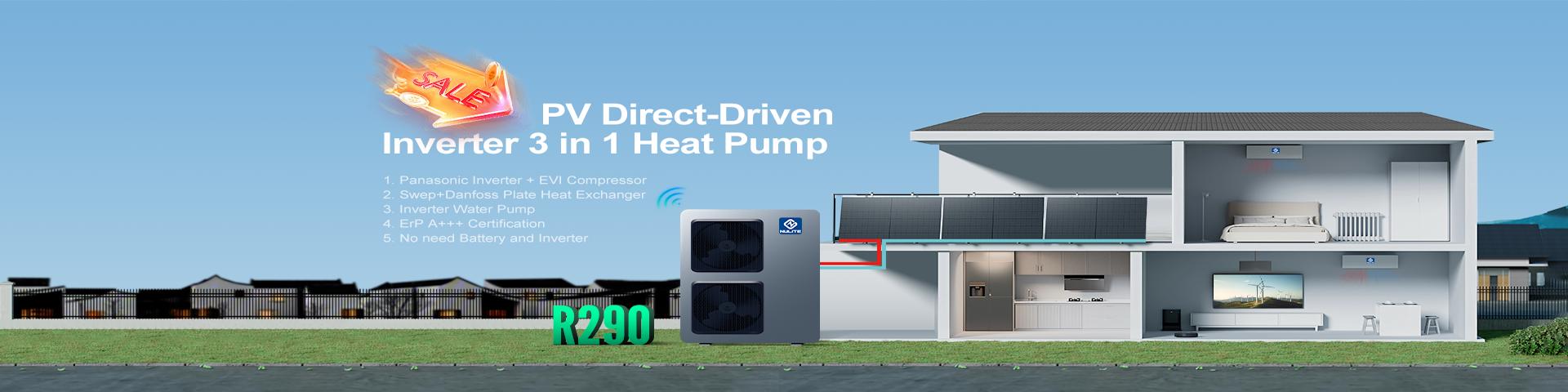
В современном мире, где вопросы энергоэффективности и экологии выходят на первый план, все больше людей ищут способы снизить потребление энергии и сократить затраты на коммунальные услуги. Одним из инновационных решений, которое набирает популярность, является интегрированная система нагрева воды с тепловым насосом. Эта технология не только помогает экономить до 70% энергии по сравнению с традиционными методами нагрева, но и вносит вклад в защиту окружающей среды. В этой статье мы подробно разберем, как работает такая система, ее преимущества, особенности установки и почему она идеально подходит для использования в России. Мы также рассмотрим реальные примеры, технические аспекты и дадим практические советы по выбору и эксплуатации. Если вы хотите сделать свой дом более экономичным и экологичным, читайте дальше – эта информация может изменить ваш подход к энергопотреблению.
Что такое тепловой насос и как он работает?
Тепловой насос – это устройство, которое использует принцип переноса тепла из одного места в другое, часто из окружающей среды (например, воздуха, воды или грунта) в систему отопления или нагрева воды. В основе его работы лежат законы термодинамики, аналогичные тем, что применяются в холодильниках или кондиционерах, но в обратном направлении. Основные компоненты теплового насоса включают испаритель, компрессор, конденсатор и расширительный valve. Процесс начинается с того, что хладагент (специальная жидкость) поглощает тепло из низкотемпературного источника (например, наружного воздуха) в испарителе. Затем компрессор сжимает хладагент, повышая его температуру. В конденсаторе это тепло передается воде в системе, а хладагент, охлаждаясь, возвращается в исходное состояние через расширительный valve. Таким образом, система «забирает» бесплатное тепло из окружающей среды и использует его для нагрева, потребляя лишь небольшое количество электроэнергии для работы компрессора и других компонентов. Это делает тепловые насосы чрезвычайно эффективными: их коэффициент производительности (COP) может достигать 3-4, что означает, что на 1 кВт потребленной электроэнергии они производят 3-4 кВт тепловой энергии. Для интегрированной системы нагрева воды тепловой насос часто комбинируется с баком-аккумулятором, что позволяет накапливать горячую воду и использовать ее по мере необходимости, обеспечивая стабильность и надежность.
Преимущества интегрированной системы нагрева воды с тепловым насосом
Использование интегрированной системы нагрева воды на основе теплового насоса предлагает множество преимуществ, которые делают ее привлекательной для домовладельцев, businesses и даже муниципальных учреждений. Во-первых, это значительная экономия энергии. По сравнению с электрическими нагревателями или газовыми котлами, тепловой насос потребляет гораздо меньше электроэнергии, что напрямую снижает счета за коммунальные услуги. Например, в среднем, система может сократить затраты на нагрев воды на 50-70%, что особенно важно в условиях роста тарифов на энергию в России. Во-вторых, такая система экологична: она использует возобновляемую энергию из окружающей среды, уменьшая выбросы CO2 и других вредных веществ. Это соответствует global трендам на устойчивое развитие и может даже qualify для государственных субсидий или льгот. В-третьих, интегрированная система обеспечивает высокий уровень комфорта: автоматическое управление позволяет поддерживать постоянную температуру воды, а накопление в баке гарантирует availability горячей воды даже в пиковые часы. Кроме того, тепловые насосы имеют долгий срок службы (до 20-25 лет) и require минимального обслуживания, что снижает долгосрочные затраты. Они также безопасны, так как не используют открытое пламя или горючие материалы, уменьшая риск пожаров или утечек. Для российского климата, где зимы холодные, modern тепловые насосы designed to work efficiently even at low temperatures, making them a reliable choice year-round.
Технические особенности и компоненты системы
Интегрированная система нагрева воды с тепловым насосом состоит из нескольких ключевых компонентов, каждый из которых играет важную роль в обеспечении эффективности и надежности. Основным элементом является сам тепловой насос, который может быть различных типов: воздушный (извлекает тепло из воздуха), грунтовый (использует тепло земли) или водяной (использует тепло водоемов). Для нагрева воды наиболее распространены воздушные тепловые насосы, так как они просты в установке и подходят для большинства residential applications. Они включают наружный блок, который забирает воздух, и внутренний блок, connected к водяному контуру. Другой важный component – бак-аккумулятор for hot water storage, typically made from stainless steel or other corrosion-resistant materials to ensure durability. Емкость бака варьируется от 100 до 500 литров, depending on household size and needs. Система также включает heat exchanger, pumps, controls, and safety devices such as thermostats and pressure valves. Modern systems often feature smart controls that allow remote monitoring and adjustment via smartphone apps, enabling users to optimize energy use based on their schedule. For integration with existing heating systems, additional components like buffer tanks or hybrid setups with solar panels or traditional boilers can be included. The installation requires professional assessment to determine the optimal size and type based on factors like climate, insulation, and water usage patterns. In Russia, where temperatures can drop below -20°C, it's crucial to choose systems with low-temperature operation capabilities and anti-freeze protections. Technical specifications such as COP, heating capacity (measured in kW), and noise levels should be carefully evaluated to ensure compatibility with your home.
Экономия энергии и финансовые выгоды
Одним из главных motivators для перехода на интегрированную систему нагрева воды с тепловым насосом является потенциальная экономия энергии и денег. Давайте рассмотрим это подробнее. Традиционные методы нагрева воды, such as electric resistance heaters or gas boilers, have efficiency ratings around 90-95%, meaning they convert most of the input energy into heat but still consume significant amounts of fuel or electricity. In contrast, тепловые насосы have COP values of 3-4, effectively providing 300-400% efficiency because they harness free environmental heat. This translates to direct savings on energy bills. For example, a typical household in Russia spending 5000 rubles per month on hot water heating with an electric heater could reduce that cost to 1500-2000 rubles with a heat pump system, saving 3000-3500 rubles monthly. Over a year, that's 36,000-42,000 rubles in savings, which can quickly offset the initial investment. The payback period depends on factors like system cost, energy tariffs, and usage, but it often ranges from 3-7 years. Additionally, there may be government incentives or rebates available for energy-efficient upgrades, such as those promoted by programs like the Russian Energy Efficiency Program. Beyond monetary savings, reduced energy consumption lowers the strain on the power grid and contributes to national energy security. It's also worth noting that heat pumps can increase property value, as eco-friendly features are increasingly valued in real estate markets. To maximize savings, users should combine the system with other energy-saving measures like insulation and efficient appliances.
Экологические аспекты и устойчивое развитие
В эпоху изменения климата и growing environmental awareness, выбор технологий, которые minimize ecological impact, is more important than ever. Интегрированные системы нагрева воды с тепловым насосом excel in this regard. By using renewable heat from the air, ground, or water, they significantly reduce reliance on fossil fuels like natural gas or coal, which are major sources of greenhouse gas emissions. For instance, a heat pump system can cut CO2 emissions by up to 50% compared to a gas boiler, depending on the energy mix of the local grid. In Russia, where energy production still relies heavily on fossil fuels, adopting heat pumps can help decouple economic growth from environmental degradation. Moreover, these systems have a low carbon footprint over their lifecycle, from manufacturing to disposal, especially if components are recyclable. They also reduce other pollutants like NOx and SOx, contributing to better air quality and public health. From a sustainability perspective, heat pumps support the principles of circular economy by utilizing abundant natural resources without depletion. Governments and organizations worldwide are promoting such technologies through policies and certifications; for example, in the EU, heat pumps often qualify for green labels. In Russia, initiatives like the National Project "Ecology" encourage the adoption of energy-efficient solutions. By investing in a heat pump system, individuals and businesses not only save money but also play a part in global efforts to combat climate change, making it a responsible choice for future generations.
Установка и обслуживание системы
Установка интегрированной системы нагрева воды с тепловым насосом требует профессионального подхода to ensure optimal performance and safety. The process typically begins with a site assessment by a qualified technician, who evaluates factors like available space, climate conditions, existing plumbing, and electrical infrastructure. For air-source heat pumps, the outdoor unit should be placed in a well-ventilated area, away from obstructions, while the indoor unit and storage tank are installed in a utility room or basement. Ground-source systems involve drilling boreholes or laying underground loops, which is more invasive but offers higher efficiency in extreme cold. Electrical connections must meet local codes, and the system should be integrated with the home's hot water distribution network. Installation time varies from a few days to a week, depending on complexity. Once installed, maintenance is relatively simple: regular checks of filters, coils, and refrigerant levels are recommended, along with annual inspections by a professional to ensure efficiency. Most systems come with warranties of 5-10 years, and components like compressors may have extended coverage. In Russia, it's advisable to work with certified installers who have experience with local conditions, such as dealing with frost or power fluctuations. Costs for installation can range from 100,000 to 300,000 rubles, but financing options or leasing programs may be available to make it more affordable. Proper installation and maintenance not only extend the system's lifespan but also maximize energy savings and reliability.
Примеры использования и case studies
Чтобы проиллюстрировать effectiveness интегрированных систем нагрева воды с тепловым насосом, рассмотрим несколько реальных примеров. В residential секторе, семья из Подмосковья установила воздушный тепловой насос for hot water heating in their detached house. До установки, они использовали electric heater и тратили около 6000 рублей в месяц на электроэнергию для горячей воды. После перехода на тепловой насос, их monthly bills снизились до 2000 рублей, saving 4000 рублей monthly. Система окупилась за 4 года, учитывая initial cost в 200,000 рублей. В commercial settings, a hotel in Sochi adopted a large-scale heat pump system for its swimming pool and guest rooms. This reduced their energy consumption by 60% and earned them a green certification, attracting eco-conscious tourists. Another example is a municipal building in Siberia, where a ground-source heat pump was integrated with existing heating to provide hot water even at -30°C, demonstrating reliability in harsh conditions. These case studies show that regardless of scale or climate, heat pump systems can deliver consistent savings and performance. They also highlight the importance of proper sizing and customization; for instance, in colder regions, hybrid systems with backup heaters ensure uninterrupted service. Overall, these examples prove that investing in such technology is not only feasible but highly beneficial.
Советы по выбору и покупке системы
При выборе интегрированной системы нагрева воды с тепловым насосом, several factors should be considered to make an informed decision. First, assess your hot water needs based on household size and usage patterns; a family of four typically requires a system with a 200-300 liter tank and a heating capacity of 2-4 kW. Next, consider the climate: for cold regions like most of Russia, opt for systems with high COP at low temperatures or consider ground-source variants for better efficiency. Research different brands and models; look for those with energy efficiency ratings (e.g., A+++ in EU standards) and positive reviews. It's essential to get quotes from multiple suppliers and compare costs, including installation and potential incentives. Check for warranties and after-sales support, as reliable service is crucial for long-term satisfaction. If possible, visit demonstration sites or talk to current users to get firsthand feedback. Additionally, think about future-proofing: systems with smart controls can integrate with home automation for added convenience. Budget-wise, while initial costs are higher than traditional heaters, focus on the long-term savings. In Russia, seek out local manufacturers or importers who understand regional requirements, such as compatibility with voltage standards (220V) and resistance to harsh weather. Finally, consult with a professional for a tailored recommendation; they can perform heat loss calculations and ensure the system is optimally sized for your home.
Заключение: будущее энергоэффективного нагрева воды
В заключение, интегрированная система нагрева воды с тепловым насосом представляет собой cutting-edge решение для экономии энергии, снижения затрат и защиты окружающей среды. Its ability to harness renewable heat sources makes it a sustainable choice that aligns with global trends towards energy independence and climate action. In Russia, where energy efficiency is increasingly prioritized, such systems offer a practical way to combat rising utility costs and contribute to national goals. While the initial investment may seem daunting, the long-term benefits in savings, comfort, and ecological impact are undeniable. As technology advances, we can expect even more efficient and affordable heat pumps, further accelerating adoption. Whether for homes, businesses, or public facilities, embracing this technology is a step towards a smarter, greener future. We encourage readers to explore options and take action – start by consulting experts and calculating potential savings for your specific situation. Together, we can build a more sustainable world, one heated water tank at a time.
Примечание: Эта статья provides general information; for specific advice, always consult a professional installer or energy advisor. Цифры и примеры based on average data and may vary depending on individual circumstances.
