


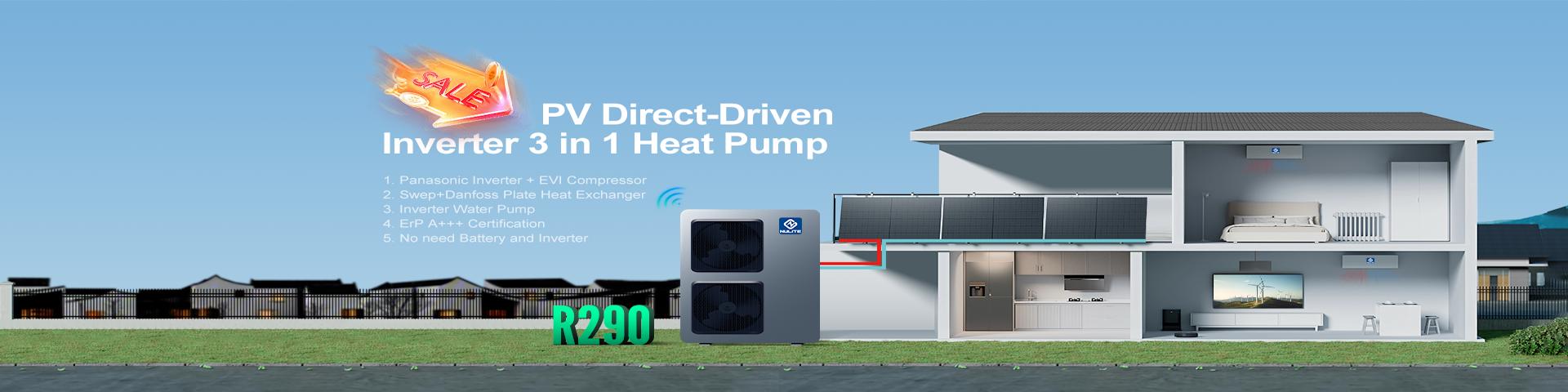
В современном мире, где цены на энергоресурсы постоянно растут, а экологические проблемы становятся все более актуальными, поиск эффективных и устойчивых решений для отопления домов становится приоритетом для многих домовладельцев. Одним из таких решений является геотермальный тепловой насос — инновационная технология, которая использует тепло земли для обогрева вашего жилья. Эта система не только обеспечивает комфортную температуру в доме, но и значительно снижает расходы на отопление, делая ее идеальным выбором для тех, кто стремится к экономии и заботе об окружающей среде.
В этой статье мы подробно рассмотрим, что такое земляной тепловой насос, как он работает, его преимущества и недостатки, а также практические аспекты установки и обслуживания. Мы также поделимся реальными примерами и советами, которые помогут вам принять обоснованное решение о переходе на эту технологию. К концу чтения вы будете обладать всеми необходимыми знаниями, чтобы оценить, подходит ли геотермальный тепловой насос для вашего дома, и как максимально эффективно использовать его потенциал.
Что такое геотермальный тепловой насос?
Геотермальный тепловой насос (ГТН) — это система отопления и охлаждения, которая использует постоянную температуру земли в качестве источника энергии. В отличие от традиционных систем отопления, таких как газовые или электрические котлы, ГТН не производит тепло путем сжигания топлива, а переносит его из земли в ваш дом. Это делает его чрезвычайно энергоэффективным и экологически чистым решением.
Принцип работы ГТН основан на простом физическом явлении: земля на глубине нескольких метров сохраняет относительно постоянную температуру throughout the year, typically between 8°C and 12°C in most regions, regardless of the season. This stable temperature can be harnessed to heat or cool a building efficiently. The system consists of three main components: a ground loop (a series of pipes buried underground), a heat pump unit (located inside the building), and a distribution system (such as radiators or underfloor heating).
ГТН работает в двух режимах: зимой он извлекает тепло из земли и передает его в дом для отопления, а летом — наоборот, отводит тепло из дома в землю для охлаждения. This dual functionality makes it a versatile solution for year-round climate control. Moreover, because it uses renewable energy from the ground, it significantly reduces reliance on fossil fuels and lowers greenhouse gas emissions.
The efficiency of a geothermal heat pump is measured by its Coefficient of Performance (COP), which indicates how much heat energy is produced per unit of electrical energy consumed. Typical COP values for GTHPs range from 3 to 5, meaning that for every 1 kWh of electricity used, the system produces 3 to 5 kWh of heat. This is far more efficient than traditional heating systems, which often have COPs below 1 for electric resistance heating or around 0.8 for gas boilers.
In addition to heating and cooling, some advanced GTHP systems can also provide domestic hot water, further enhancing their utility and cost-effectiveness. This makes them a comprehensive solution for household energy needs, contributing to overall energy independence and sustainability.
Принцип работы геотермального теплового насоса
Чтобы fully understand how a geothermal heat pump works, it's helpful to break down the process into simple steps. The system operates based on the refrigeration cycle, similar to how a refrigerator or air conditioner works, but in reverse for heating mode.
First, the ground loop, which is buried underground, circulates a fluid (usually a mixture of water and antifreeze) that absorbs heat from the earth. This fluid is pumped through the loop and into the heat pump unit inside the building. Inside the heat pump, the fluid passes through a heat exchanger, where it transfers its heat to a refrigerant gas.
The refrigerant gas is then compressed by a compressor, which increases its temperature significantly. This hot gas flows through another heat exchanger, where it releases heat to the distribution system (e.g., water for radiators or air for forced-air systems). After releasing heat, the refrigerant expands and cools down, ready to absorb heat again from the ground loop fluid.
In cooling mode, the process is reversed: the heat pump extracts heat from the indoor air and transfers it to the ground loop fluid, which then dissipates the heat into the earth. This provides efficient air conditioning without the need for separate cooling equipment.
The efficiency of this process is enhanced by the stable temperature of the earth, which requires less energy to heat or cool compared to air-source heat pumps that rely on outdoor air temperatures. This is why GTHPs are particularly effective in regions with extreme climates, where air temperatures can vary widely.
Overall, the principle of operation is straightforward and relies on well-established thermodynamic principles, making GTHPs a reliable and mature technology with a long track record of performance.
Преимущества использования геотермального теплового насоса
Геотермальные тепловые насосы offer numerous advantages that make them an attractive option for homeowners. These benefits span economic, environmental, and practical aspects, providing a compelling case for adoption.
First and foremost, GTHPs are highly energy-efficient. As mentioned, their COP values are significantly higher than traditional heating systems, leading to substantial savings on energy bills. Studies show that homeowners can reduce their heating costs by 30% to 70% compared to conventional systems, depending on local energy prices and climate conditions. This efficiency also means lower operating costs over the long term, offsetting the higher initial investment.
Environmentally, GTHPs are a green technology. They produce no on-site emissions of carbon dioxide or other pollutants, as they do not burn fossil fuels. By using renewable geothermal energy, they help reduce the carbon footprint of a household and contribute to combating climate change. Additionally, they have a minimal impact on the landscape once installed, as the ground loop is buried and out of sight.
Another key advantage is reliability and durability. GTHPs have fewer moving parts than combustion-based systems, which reduces the risk of breakdowns and extends their lifespan. The underground components can last 50 years or more, while the heat pump unit typically lasts 20-25 years with proper maintenance. This longevity ensures a long-term return on investment.
GTHPs also provide consistent comfort. Unlike systems that rely on outdoor air temperatures, which can fluctuate, GTHPs deliver steady heating and cooling because the ground temperature is stable. This results in a more comfortable indoor environment with fewer temperature swings.
Furthermore, GTHPs are versatile and can be integrated with various distribution systems, such as radiant floor heating, which is known for its comfort and efficiency. They can also be used for domestic hot water production, adding to their utility.
Lastly, many governments and utilities offer incentives, such as tax credits or rebates, to encourage the adoption of geothermal systems. These financial incentives can significantly reduce the upfront cost and accelerate payback periods.
Недостатки и ограничения геотермальных тепловых насосов
Despite their many advantages, geothermal heat pumps are not without drawbacks. It's important to consider these limitations to make an informed decision.
The primary disadvantage is the high initial cost. Installing a GTHP system can be expensive, often costing two to three times more than a conventional heating and cooling system. This is due to the need for extensive ground works, such as drilling or trenching for the ground loop. The total cost depends on factors like the size of the system, soil conditions, and accessibility of the site.
Another limitation is the requirement for adequate land space. Horizontal ground loops, which are buried in trenches, require a significant amount of open land. For properties with limited space, vertical loops can be used, but these involve drilling deep boreholes, which can be more costly and may require permits or face geological challenges.
GTHPs also rely on electricity to operate the compressor and pumps. While they are efficient, if the electricity comes from fossil fuel sources, the overall environmental benefit may be reduced. However, this can be mitigated by using renewable electricity sources, such as solar panels.
The installation process can be invasive and time-consuming. Excavation or drilling can disrupt landscaping and may not be suitable for all properties, especially those in urban areas or with rocky soil. Additionally, retrofitting an existing home with a GTHP can be more complex than installing one in a new build.
Maintenance, though generally low, is still required. The ground loop is durable, but the heat pump unit needs periodic checks, such as filter changes and refrigerant level inspections. Failure to maintain the system can lead to reduced efficiency or breakdowns.
Finally, GTHPs may not be the best option in all climates. In regions with very cold winters, supplemental heating might be needed, though modern systems are designed to handle extreme conditions. It's essential to consult with a professional to assess suitability for your specific location.
Как выбрать подходящий геотермальный тепловой насос для вашего дома
Selecting the right geothermal heat pump for your home involves several considerations to ensure optimal performance and cost-effectiveness. Here’s a step-by-step guide to help you make the best choice.
First, determine the heating and cooling load of your home. This is calculated based on factors like the size of the house, insulation levels, window types, and local climate. A professional energy audit or HVAC contractor can perform this assessment to recommend the appropriate size of the heat pump. Oversizing or undersizing can lead to inefficiency and higher costs.
Next, decide on the type of ground loop. Horizontal loops are cheaper and suitable for properties with ample land, while vertical loops are better for limited spaces but more expensive. The choice depends on your soil type, water table, and available area. A soil test might be necessary to evaluate thermal conductivity.
Consider the efficiency ratings of the heat pump. Look for units with high COP and EER (Energy Efficiency Ratio) values. Brands like WaterFurnace, ClimateMaster, and Bosch offer models with excellent efficiency. Also, check for certifications such as ENERGY STAR, which indicate meeting high performance standards.
Evaluate the distribution system. GTHPs can work with forced-air systems, hydronic systems (e.g., radiators or underfloor heating), or a combination. Underfloor heating is often recommended for its compatibility with the low-temperature output of GTHPs, enhancing comfort and efficiency.
Factor in additional features, such as the ability to provide domestic hot water or integrate with smart home systems for better control and monitoring. Some models offer dual-speed or variable-speed compressors for improved efficiency at partial loads.
Get quotes from multiple installers. Installation quality is crucial for performance, so choose experienced and certified professionals. Ask for references and check reviews. Ensure the quote includes all costs: equipment, ground loop installation, electrical work, and any necessary permits.
Finally, explore financial incentives. Check for federal, state, or local rebates, tax credits, or financing options that can reduce the upfront cost. Many regions offer programs to promote renewable energy adoption.
By carefully evaluating these factors, you can select a GTHP system that meets your needs, maximizes savings, and provides reliable comfort for years to come.
Процесс установки геотермального теплового насоса
The installation of a geothermal heat pump is a multi-step process that requires careful planning and execution. Here’s an overview of what to expect.
It begins with a site assessment. A professional installer will visit your property to evaluate soil conditions, land availability, and existing heating systems. This helps determine the best type of ground loop and system size.
Next, permits may be required. Depending on local regulations, you might need permits for drilling, excavation, or electrical work. The installer typically handles this, but it's good to be aware of potential delays.
The ground loop installation is the most intensive part. For horizontal loops, trenches are dug using excavators, and pipes are laid in a serpentine pattern. For vertical loops, drilling rigs are used to create boreholes, which are then filled with grout to enhance heat transfer. This process can take several days and may involve heavy machinery.
Once the loop is in place, it is connected to the heat pump unit indoors. The unit is installed in a utility room or basement, and connected to the distribution system (e.g., ductwork or piping). Electrical connections are made to power the compressor and pumps.
The system is then charged with refrigerant and tested for leaks and performance. The installer will commission the system, ensuring it operates correctly and efficiently. You may receive a tutorial on how to use and maintain it.
After installation, landscaping restoration is often needed to repair any disturbed areas. The installer should handle this, leaving your property as it was or better.
Throughout the process, communication with the installer is key. Ask questions and ensure you understand each step. A well-installed system will provide decades of reliable service, so it's worth investing in quality workmanship.
Installation typically takes one to two weeks, depending on complexity. Costs vary widely but expect to pay between $20,000 and $30,000 for a typical residential system, before incentives.
Экономия и окупаемость геотермального теплового насоса
One of the biggest attractions of geothermal heat pumps is the potential for significant cost savings over time. Let’s delve into the economics.
The initial investment is high, but operating costs are low. Compared to a conventional system, a GTHP can save 30-70% on energy bills. For example, if you currently spend $2,000 annually on heating and cooling, a GTHP might reduce that to $600-$1,400, saving $600-$1,400 per year.
Payback period depends on local energy prices, climate, and incentives. In areas with high electricity or gas costs, payback can be as short as 5-10 years. With incentives, it might be even faster. Over the system's lifespan, savings can total tens of thousands of dollars.
Maintenance costs are also lower. GTHPs require less frequent servicing than combustion systems, with annual check-ups costing around $100-$300. This adds to the long-term savings.
Additionally, GTHPs can increase property value. Homes with energy-efficient systems are more attractive to buyers, potentially yielding a higher resale value. Studies show that for every dollar saved on energy costs, home value increases by $20-$25.
To calculate your specific savings, use online calculators or consult with an installer. They can provide a customized analysis based on your home's characteristics.
In summary, while the upfront cost is substantial, the combination of lower operating costs, maintenance savings, and potential incentives makes GTHPs a financially sound investment for the long haul.
Реальные примеры и истории успеха
Hearing from others who have adopted geothermal heat pumps can provide valuable insights. Here are a few examples.
John from Minnesota installed a GTHP in his 2,000 sq ft home. Despite cold winters, his heating bills dropped by 60%. He received a federal tax credit that covered 30% of the cost, making the payback period 7 years. He praises the consistent comfort and quiet operation.
Maria in California used a GTHP for both heating and cooling. Her summer cooling costs were cut in half, and she enjoys free hot water from the system. She emphasizes the environmental benefits, feeling good about reducing her carbon footprint.
A school in New York installed a large GTHP system and saved $15,000 annually on energy costs. The project was funded through energy performance contracts, with savings covering the investment over time.
These stories highlight the versatility and effectiveness of GTHPs across different regions and applications. They demonstrate that with proper planning, the benefits are achievable and rewarding.
Советы по обслуживанию и эксплуатации
To ensure your geothermal heat pump operates efficiently for years, follow these maintenance tips.
Schedule annual professional inspections. A technician should check refrigerant levels, electrical connections, and the ground loop for issues. This can prevent major repairs and maintain efficiency.
Change air filters regularly, every 1-3 months, depending on usage. Dirty filters reduce airflow and efficiency.
Keep the area around the indoor unit clean and unobstructed. Ensure proper ventilation to avoid overheating.
Monitor system performance. If you notice unusual noises, reduced heating/cooling, or higher energy bills, contact a professional immediately.
In winter, ensure the ground loop is protected from freezing, though this is rarely an issue due to burial depth.
Consider a maintenance contract with your installer for peace of mind and prioritized service.
By following these simple steps, you can maximize the lifespan and efficiency of your GTHP, enjoying reliable comfort and savings.
Заключение: будущее отопления с геотермальными тепловыми насосами
Geothermal heat pumps represent the future of home heating and cooling. With their unparalleled efficiency, environmental benefits, and long-term savings, they are an intelligent choice for modern homeowners.
As energy costs rise and climate concerns grow, adopting technologies like GTHPs becomes increasingly important. They offer a sustainable path to energy independence and comfort.
If you're considering a GTHP, start by consulting with professionals, assessing your home's needs, and exploring incentives. The investment may seem daunting, but the rewards—financial, environmental, and personal—are well worth it.
Embrace the power of the earth and transform your home into a model of efficiency and sustainability. With a geothermal heat pump, you're not just heating your house; you're investing in a greener, more economical future.
