


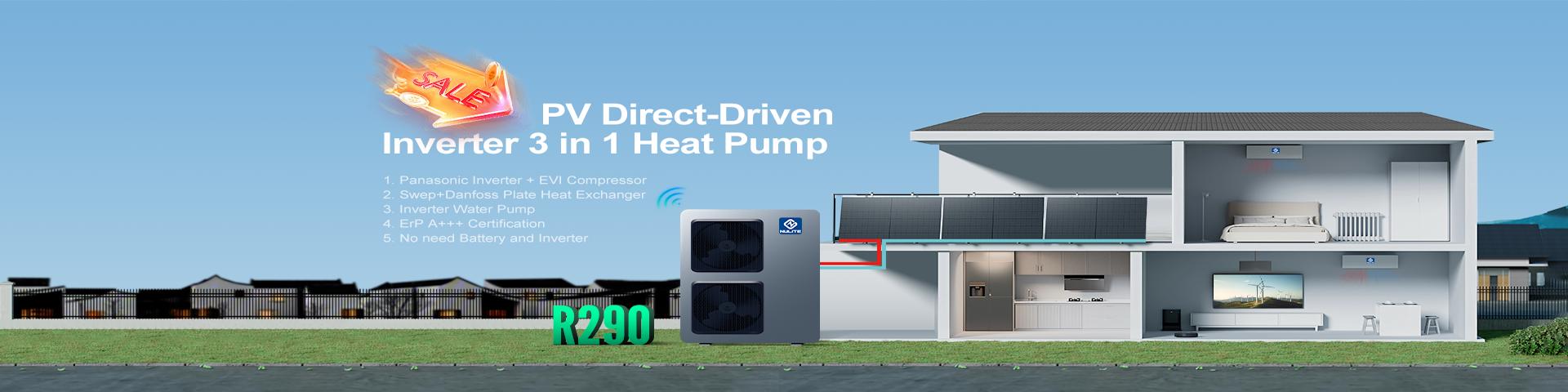
В современном мире, где затраты на энергию постоянно растут, а экологические проблемы становятся все более актуальными, поиск эффективных и устойчивых решений для отопления и охлаждения домов и зданий становится ключевым приоритетом. Одним из наиболее инновационных и экономически выгодных методов является использование геотермальных тепловых насосов. Эти системы не только обеспечивают комфортный климат внутри помещений, но и позволяют значительно сократить расходы на электроэнергию, делая их идеальным выбором для тех, кто стремится к экономии и заботе об окружающей среде.
Что Такое Геотермальные Тепловые Насосы?
Геотермальные тепловые насосы, также известные как грунтовые тепловые насосы, представляют собой технологию, которая использует стабильную температуру земли для обогрева и охлаждения зданий. В отличие от традиционных систем отопления и кондиционирования, которые rely on external air temperatures, геотермальные системы работают, извлекая тепло из земли зимой и отводя избыточное тепло в землю летом. Это возможно благодаря тому, что на глубине нескольких метров температура земли остается относительно постоянной в течение года, обычно между 10°C и 16°C, в зависимости от региона.
Принцип работы геотермального насоса основан на термодинамическом цикле. Система состоит из трех основных компонентов: ground loop (подземный контур), heat pump unit (насосная установка) и distribution system (система распределения тепла или холода). Ground loop – это сеть труб, заполненных теплоносителем (чаще всего водой или антифризом), которая прокладывается горизонтально или вертикально в земле. Теплоноситель циркулирует через этот контур, absorbing heat from the ground in winter and rejecting heat to the ground in summer. Heat pump unit then uses a compressor and refrigerant to transfer this heat to or from the building, while distribution system, such as forced air or radiant floor heating, delivers the conditioned air or water to interior spaces.
Этот процесс extremely efficient because it leverages the earth's natural thermal energy, which requires less electricity to operate compared to conventional systems. For example, while a typical air conditioner might have a coefficient of performance (COP) of 2-3, meaning it produces 2-3 units of cooling for every unit of electricity consumed, геотермальные насосы can achieve COPs of 4-5 or higher, leading to substantial energy savings.
Преимущества Геотермальных Насосов для Охлаждения
Охлаждение с помощью геотермальных насосов offers numerous benefits that make it a superior choice over traditional air conditioning systems. Let's delve into the key advantages.
Высокая Энергоэффективность и Экономия
One of the most compelling reasons to choose a геотермальная система for cooling is its exceptional energy efficiency. As mentioned, these systems can achieve COPs of 4-5, which means they provide four to five times more cooling energy than the electrical energy they consume. In practical terms, this translates to lower electricity bills. For instance, a household using a геотермальный насос for cooling might see a reduction in energy costs by 30-50% compared to standard air conditioners. Over time, these savings can offset the higher initial investment required for installation.
Additionally, because the ground temperature is stable, the system doesn't have to work as hard during peak summer heat, unlike air-source heat pumps that become less efficient when outdoor temperatures soar. This results in more consistent performance and further energy savings.
Экологическая Дружественность
Геотермальные насосы are a green technology that significantly reduces carbon footprint. By using renewable geothermal energy, they minimize reliance on fossil fuels and decrease greenhouse gas emissions. According to studies, switching to a геотермальная система can cut carbon dioxide emissions by up to 40% compared to conventional heating and cooling methods. This makes them an excellent choice for environmentally conscious individuals and organizations aiming to contribute to sustainability goals.
Долговечность и Надежность
These systems are known for their durability and low maintenance requirements. The underground components, such as the ground loop, can last for 50 years or more, while the indoor heat pump unit typically has a lifespan of 20-25 years. This is much longer than traditional HVAC systems, which often need replacement every 10-15 years. Moreover, because most of the system is buried underground, it is protected from weather elements and vandalism, reducing the risk of damage and ensuring reliable operation year-round.
Универсальность и Комфорт
Геотермальные насосы provide both heating and cooling from a single system, eliminating the need for separate units. This not only saves space but also ensures seamless transition between seasons. The cooling provided is often more comfortable than that from air conditioners, as it maintains a steady temperature without the drafts and humidity fluctuations common in forced-air systems. Many users report improved indoor air quality as well, since the system doesn't rely on outdoor air that may contain pollutants.
Как Геотермальные Насосы Экономят Деньги
To understand the economic benefits, it's essential to look at the cost structure. The initial cost of installing a геотермальная система can be higher than that of conventional systems, typically ranging from $20,000 to $30,000 for a residential property, depending on factors like soil conditions and system size. However, this investment is quickly recouped through energy savings. On average, homeowners can expect a payback period of 5-10 years, after which the system continues to save money for decades.
Government incentives and rebates can further reduce the upfront cost. Many countries offer tax credits, grants, or low-interest loans for installing renewable energy systems like геотермальные насосы. For example, in the United States, the federal government provides a tax credit of up to 26% of the installation cost through 2022, and similar programs exist in other regions. These incentives make the technology more accessible and accelerate the return on investment.
Operational costs are also lower due to reduced energy consumption. For cooling, the efficiency means less electricity is used, which is particularly beneficial in areas with high electricity rates. Maintenance costs are minimal, usually involving annual checks of the heat pump and occasional inspections of the ground loop, adding to the long-term savings.
Принципы Работы и Технологии
Геотермальные системы can be configured in various ways to suit different needs. The most common types are closed-loop and open-loop systems. Closed-loop systems circulate a antifreeze solution through buried pipes, while open-loop systems use groundwater directly. Closed-loop systems are more popular due to their reliability and minimal environmental impact.
Installation involves drilling or trenching to place the ground loop. Vertical loops are used where space is limited, with holes drilled up to 100-150 meters deep, while horizontal loops are laid in trenches about 1-2 meters deep and are suitable for larger properties. The heat pump unit is then connected to the building's ductwork or hydronic system for distribution.
Advanced technologies, such as variable-speed compressors and smart thermostats, can enhance efficiency further. These allow the system to adjust its output based on demand, optimizing energy use and improving comfort.
Сравнение с Традиционными Системами Охлаждения
When compared to air conditioners or air-source heat pumps, геотермальные насосы outperform in several aspects. Air conditioners are less efficient because they exchange heat with the outdoor air, which can be very hot in summer, reducing their COP. Geothermal systems, by contrast, use the stable ground temperature, maintaining high efficiency regardless of weather conditions. They also operate more quietly and have a longer lifespan.
In terms of environmental impact, traditional systems often use refrigerants that can contribute to ozone depletion or global warming if leaked, whereas геотермальные системы use more environmentally friendly refrigerants and have a lower overall carbon footprint.
Советы по Выбору и Установке
Choosing the right геотермальная система depends on factors like climate, soil type, property size, and budget. It's crucial to work with experienced professionals who can conduct a site assessment to determine the optimal system design. Proper sizing is key to efficiency; an undersized system won't provide adequate cooling, while an oversized one may cycle too frequently, reducing efficiency and lifespan.
During installation, ensure that the ground loop is correctly placed and insulated to maximize performance. Regular maintenance, such as checking refrigerant levels and cleaning filters, will keep the system running smoothly.
Реальные Примеры и Отзывы
Many homeowners and businesses have successfully implemented геотермальные системы and report significant savings. For instance, a family in a temperate climate might save $1,000 annually on energy bills, while a commercial building could see even greater reductions. Testimonials often highlight the comfort and reliability of these systems, with users appreciating the consistent temperature and low noise levels.
Заключение
В заключение, геотермальные тепловые насосы представляют собой передовую технологию, которая не только обеспечивает эффективное охлаждение, но и приводит к substantial экономии на энергозатратах. С их высокой энергоэффективностью, экологической friendliness, и долговечностью, они являются wise investment для anyone looking to reduce their carbon footprint and save money in the long run. If you're considering an upgrade to your cooling system, exploring геотермальные options could be the key to a cooler, greener future.
By adopting this technology, you contribute to a sustainable world while enjoying the benefits of lower utility bills and enhanced comfort. Don't hesitate to consult with experts to find the best solution for your needs and start saving today!
