


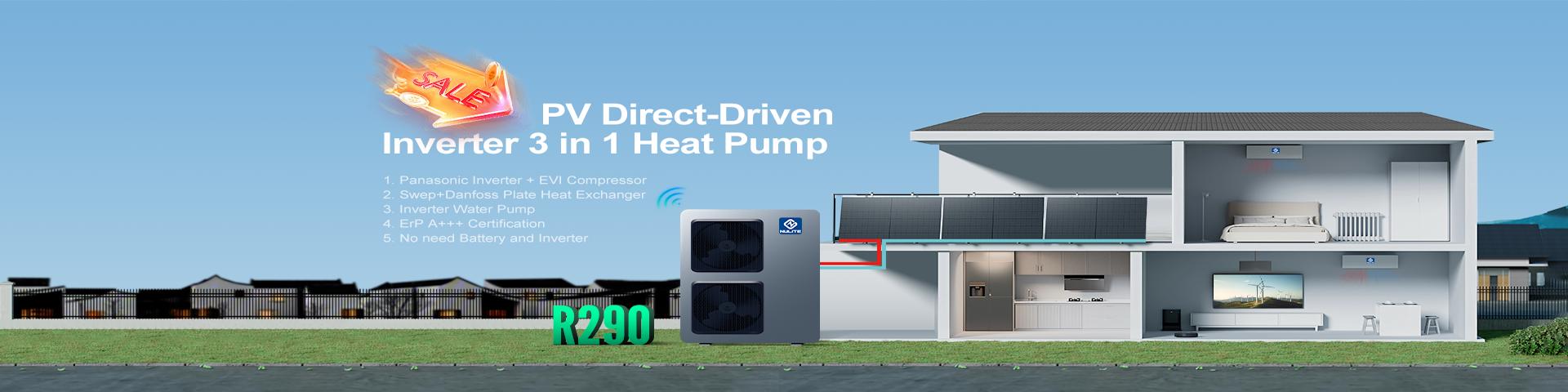
Введение: В условиях растущих цен на энергоресурсы и усиления внимания к экологическим вопросам, поиск эффективных способов отопления жилья становится все более актуальным. Воздушные тепловые насосы представляют собой инновационное решение, которое не только обеспечивает комфорт в доме, но и позволяет значительно сократить расходы на отопление. В этой статье мы подробно рассмотрим, как работает воздушный тепловой насос, его преимущества, практические аспекты использования, и раскроем секреты максимальной экономии. Мы также обсудим мифы и реальность, связанные с этой технологией, и предоставим советы по выбору и монтажу, чтобы помочь вам сделать осознанное решение для вашего дома.
1. Что такое воздушный тепловой насос и как он работает?
Воздушный тепловой насос — это устройство, которое использует принцип теплопередачи для обогрева помещений. Он извлекает тепло из наружного воздуха, даже при низких температурах, и передает его внутрь здания. Основные компоненты включают компрессор, испаритель, конденсатор и расширительный клапан. Процесс начинается с того, что хладагент в испарителе поглощает тепло из воздуха, превращаясь в газ. Затем компрессор сжимает этот газ, повышая его температуру. В конденсаторе горячий газ отдает тепло внутреннему воздуху или воде системы отопления, конденсируясь обратно в жидкость. Цикл повторяется, обеспечивая непрерывный нагрев. Этот метод extremely energy-efficient, так как для передачи тепла используется меньше электроэнергии по сравнению с традиционными электрическими нагревателями. Например, коэффициент производительности (COP) воздушных тепловых насосов может достигать 3-4, что означает, что на каждый кВт электроэнергии они производят 3-4 кВт тепла. Это делает их идеальными для умеренного и холодного климата, где они могут работать эффективно даже при температурах до -25°C, благодаря современным технологиям, таким как инверторные компрессоры и улучшенные хладагенты.
Исторически тепловые насосы были разработаны в XIX веке, но массовое распространение они получили только в последние десятилетия due to advancements in materials and control systems. Сегодня они являются ключевым элементом в стратегиях энергосбережения и снижения carbon footprint. Принцип работы основан на втором законе термодинамики, но в практическом плане, это означает, что вы можете обогревать дом, используя бесплатную энергию из окружающей среды, дополненную небольшим количеством electricity. Это не magic, а научно обоснованная технология, которая становится все более доступной для домовладельцев.
2. Преимущества использования воздушного теплового насоса для отопления
Использование воздушного теплового насоса предлагает множество преимуществ, которые делают его привлекательным выбором для современного дома. Во-первых, это значительная экономия на счетах за отопление. По сравнению с газовыми или электрическими котлами, тепловые насосы могут reduce energy consumption на 30-50%, а в некоторых случаях и больше. Это прямая финансовая выгода, которая окупает initial investment в течение нескольких лет. Во-вторых, они экологически friendly, так как используют возобновляемую энергию из воздуха и produce fewer greenhouse gas emissions compared to fossil fuel systems. Это соответствует global trends towards sustainability и может qualify for government incentives or tax credits in many regions.
Кроме того, воздушные тепловые насосы often serve dual functions: они can provide cooling in summer by reversing the cycle, acting as an air conditioner. Это eliminates the need for separate heating and cooling systems, saving space and costs. Они also operate quietly and require minimal maintenance, mostly involving regular filter cleaning and occasional professional check-ups. Safety is another advantage; since there is no combustion involved, risks of carbon monoxide poisoning or fires are eliminated. However, it's important to note that efficiency can vary based on climate, so in very cold regions, supplemental heating might be necessary. Despite this, overall, the benefits make air source heat pumps a smart investment for long-term savings and comfort.
3. Практические советы по выбору и установке воздушного теплового насоса
Выбор правильного воздушного теплового насоса crucial для maximizing экономии. First, determine the size needed based on the square footage of your home and local climate conditions. An undersized unit will struggle to heat efficiently, while an oversized one may cycle too frequently, reducing efficiency and lifespan. Consult with a professional to perform a heat load calculation. Next, consider the type: split systems are common for residential use, with an outdoor unit and indoor handlers, while packaged systems are all-in-one. Look for features like inverter technology, which adjusts compressor speed for better efficiency, and high COP ratings.
При установке, ensure proper placement of the outdoor unit in a well-ventilated area, away from obstacles that could block airflow. Indoor units should be strategically located for even heat distribution. Professional installation is recommended to avoid issues with refrigerant leaks or electrical connections. Also, insulate your home well to reduce heat loss, as this enhances the pump's efficiency. Budget for potential costs such as ductwork modifications if needed, and explore financing options or rebates. Regular maintenance, like cleaning filters and checking refrigerant levels, will keep the system running optimally. By following these tips, you can ensure that your air source heat pump delivers maximum savings and reliability.
4. Сравнение с традиционными системами отопления: почему воздушный тепловой насос выигрывает
Сравнение воздушных тепловых насосов с традиционными системами, такими как газовые котлы, электрические обогреватели или wood stoves, highlights their superiority in terms of efficiency and cost-effectiveness. Gas boilers, while common, rely on fossil fuels and are subject to price volatility; they also produce emissions. Electric heaters are 100% efficient in converting electricity to heat but have high operating costs due to low COP. In contrast, air source heat pumps have COP of 3-4, meaning they provide more heat per unit of electricity. Over time, this leads to lower utility bills.
Environmental impact is another key factor. Traditional systems contribute to air pollution and climate change, whereas heat pumps use ambient heat, reducing carbon footprint. Additionally, heat pumps offer versatility with heating and cooling, whereas most traditional systems are single-function. Initial costs for heat pumps can be higher, but with incentives and long-term savings, the payback period is often reasonable. For example, in a typical home, switching from an electric furnace to an air source heat pump can save hundreds of dollars annually. Thus, for those seeking a modern, efficient, and eco-friendly solution, air source heat pumps are a clear winner.
5. Реальные примеры экономии: истории успеха и расчеты
To illustrate the savings, consider real-world examples. In a case study from a suburban home in a temperate climate, installing an air source heat pump reduced annual heating costs from $1,200 with an electric furnace to $400, saving $800 per year. With an installation cost of $10,000, the payback period was about 12.5 years, but with government rebates of $2,000, it dropped to 10 years. In colder regions, savings might be less dramatic, but still significant; for instance, in a northern home, costs were cut by 40% compared to oil heating.
Calculations show that for a home requiring 10,000 kWh of heat annually, an electric heater would use 10,000 kWh of electricity (at $0.15/kWh, cost $1,500), while a heat pump with COP 3 would use only 3,333 kWh (cost $500), saving $1,000 per year. These examples demonstrate that despite higher upfront costs, the long-term financial benefits are substantial. Moreover, increased home value and comfort add intangible value. By sharing such stories, we aim to inspire others to consider this technology for their own homes.
6. Мифы и реальность: развенчиваем misconceptions о воздушных тепловых насосах
Существует несколько мифов о воздушных тепловых насосах, которые могут deter potential users. One common myth is that they don't work well in cold climates. While efficiency decreases in extreme cold, modern units with advanced compressors and defrost cycles can operate effectively down to -25°C, and supplemental heat can be added for very low temperatures. Another myth is that they are too expensive; however, costs have decreased over time, and incentives make them affordable. Some believe they are noisy, but technological improvements have made them much quieter than older models.
Reality is that air source heat pumps are reliable, efficient, and suitable for most homes. They do require professional installation and maintenance, but the benefits outweigh the drawbacks. By addressing these myths, we hope to encourage more people to adopt this energy-saving technology and experience the real savings it offers.
7. Заключение: будущее отопления с воздушными тепловыми насосами
В заключение, воздушные тепловые насосы represent a smart and sustainable choice for home heating. Они offer significant savings on energy bills, reduce environmental impact, and provide year-round comfort. With advancements in technology, они becoming even more efficient and accessible. As energy prices continue to rise and climate concerns grow, adopting such solutions is not just economical but essential for a greener future. We encourage readers to explore options, consult professionals, and take step towards a more efficient home. The secret to saving on heating is no longer a secret—it's in the air around us.
Это лишь краткий обзор; для полного понимания рекомендуется обратиться к специалистам и провести индивидуальный анализ. Спасибо за внимание, и надеемся, эта статья поможет вам сделать informed decision для вашего отопления.
